
Baltimore, February 6, 2026
Despite receiving $1.2 million in grants, over half of the 22 storefronts funded by Baltimore’s BOOST program remain closed. The initiative, aimed at revitalizing downtown and supporting minority-owned businesses, highlights ongoing challenges for local entrepreneurs. Factors such as location issues and financial constraints have hindered success, raising concerns about the program’s effectiveness and the need for additional support and resources for minority businesses in the area.
Baltimore, Maryland
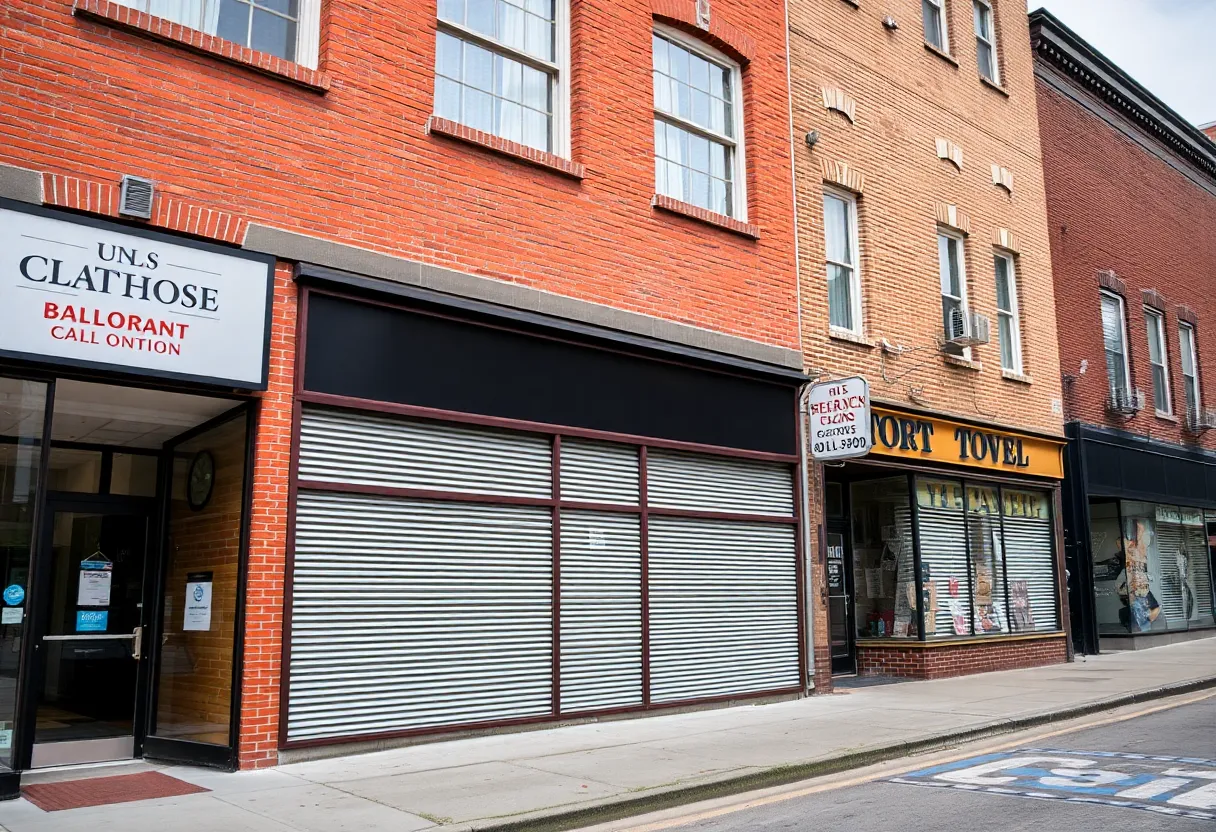
Over half of the 22 storefronts funded by the Black-Owned and Operated Storefront Tenancy (BOOST) program in Baltimore remain closed, despite receiving $1.2 million in grants.
The BOOST program, launched by the Downtown Partnership of Baltimore, aims to revitalize downtown by supporting minority-owned businesses with grants and affordable leases. However, as of February 2026, more than half of the 22 storefronts funded by the program remain closed, raising concerns about the program’s effectiveness and the challenges minority entrepreneurs face in establishing businesses in the area.
Baltimore is home to a resilient spirit of entrepreneurship, with local innovators striving to combat economic hurdles. However, the ongoing difficulties experienced by businesses funded through the BOOST program highlight the need for a more strategic approach to support minority entrepreneurs and strengthen the city’s economic landscape.
Challenges in the BOOST Program
Several factors contribute to the high vacancy rate among the storefronts funded by BOOST. Some businesses have faced difficulties in securing suitable locations, while others have encountered financial challenges that hindered their ability to open or sustain operations. For instance, Bmore Empowered, a nonprofit organization, received an $80,000 grant to open a storefront at 5 N. Howard Street. Ultimately, the organization chose a different location at 344 N. Charles Street, but they moved out in the fall of 2025 due to a lack of funding.
The Importance of Supporting Minority Businesses
The GOT program was designed to address the high vacancy rates in downtown Baltimore by providing grants and support to minority-owned businesses. Despite the initial enthusiasm and investment, the program has faced significant hurdles in achieving its goals. The challenges experienced in launching and maintaining storefronts indicate that a renewed focus on providing resources and support may be required to bolster success rates in the area.
Strategies for Enhancement
To unlock the potential of the BOOST program, stakeholders may consider a multifaceted approach to support minority entrepreneurs. This could include a comprehensive review of the challenges businesses face, adjusting grant conditions, providing additional training, or expanding network opportunities to enhance collaboration among business owners.
Fostering a culture of innovation and resilience among local entrepreneurs can energize the economic landscape of Baltimore. By promoting private investment and reducing unnecessary regulatory barriers, the city can stimulate growth and create a more supportive environment for small businesses to thrive.
Conclusion
The ongoing challenges faced by businesses in the BOOST program emphasize the need for a renewed and comprehensive strategy to support minority entrepreneurs in Baltimore. By fostering innovation, private investment, and formative policies, stakeholders can help pave the way for a vibrant economic future. Readers are encouraged to engage with and support local businesses, lending their voices to the entrepreneurial spirit of Baltimore.
Frequently Asked Questions (FAQ)
What is the BOOST program?
The Black-Owned and Operated Storefront Tenancy (BOOST) program is an initiative by the Downtown Partnership of Baltimore aimed at revitalizing downtown by supporting minority-owned businesses with grants and affordable leases.
How many storefronts were funded by the BOOST program?
The BOOST program funded 22 storefronts in downtown Baltimore.
What percentage of the funded storefronts are currently open?
As of February 2026, more than half of the 22 storefronts funded by the BOOST program remain closed.
What challenges have businesses faced in opening their storefronts?
Businesses have faced challenges such as difficulties in securing suitable locations and financial constraints that hindered their ability to open or sustain operations.
What is the goal of the BOOST program?
The goal of the BOOST program is to revitalize downtown Baltimore by supporting minority-owned businesses and reducing the high vacancy rates in the area.
Key Features of the BOOST Program
| Feature | Description |
|---|---|
| Grant Funding | Provides financial support to minority-owned businesses to establish storefronts in downtown Baltimore. |
| Affordable Leases | Offers below-market rental rates to make downtown spaces more accessible to minority entrepreneurs. |
| Business Support | Includes technical assistance, training, and resources to help businesses succeed. |
| Location Focus | Targets vacant storefronts in downtown Baltimore to reduce vacancy rates and stimulate economic activity. |
| Program Launch | Initiated by the Downtown Partnership of Baltimore to address downtown revitalization and support minority businesses. |
Deeper Dive: News & Info About This Topic
HERE Resources
Loyola University Maryland Launches Business Academy for High School Students
Impact of the Trump Administration on Maryland’s Contracting Industry
Local Partnership Fuels Small Business Growth in Baltimore
Otis Rolley Takes the Helm of Baltimore Development Corporation
Engineering Firm Expands to Baltimore, Boosting Local Economy
Black-Owned Businesses Expand Presence in Downtown Areas
Baltimore MD Launches $5 Million Apprenticeship Program
University of Baltimore Launches AI Business Accelerator
Loyola University Maryland Announces New Ventures for Baltipreneurs Accelerator
Governor Moore Unveils $73.7 Million for Economic Growth in Maryland