
What Are the Essential Steps to Planning a Successful Home Addition in Baltimore?
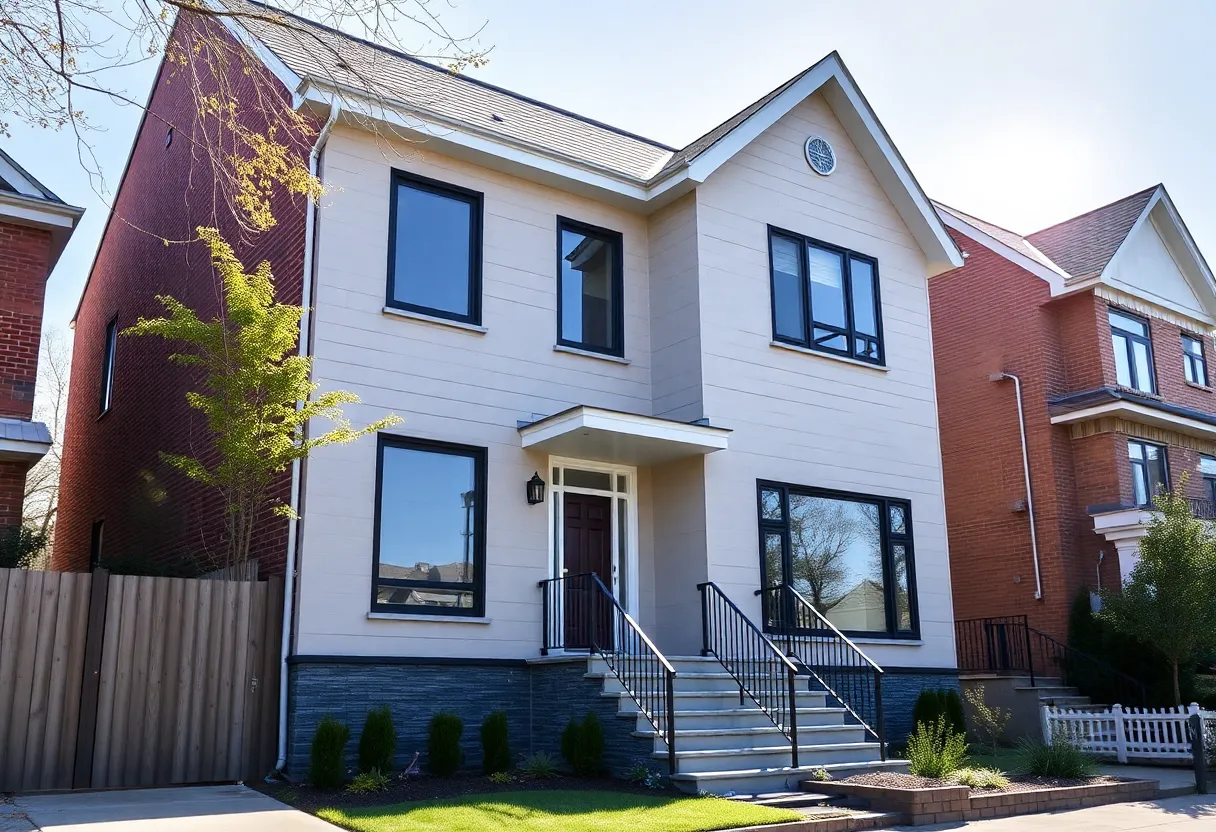
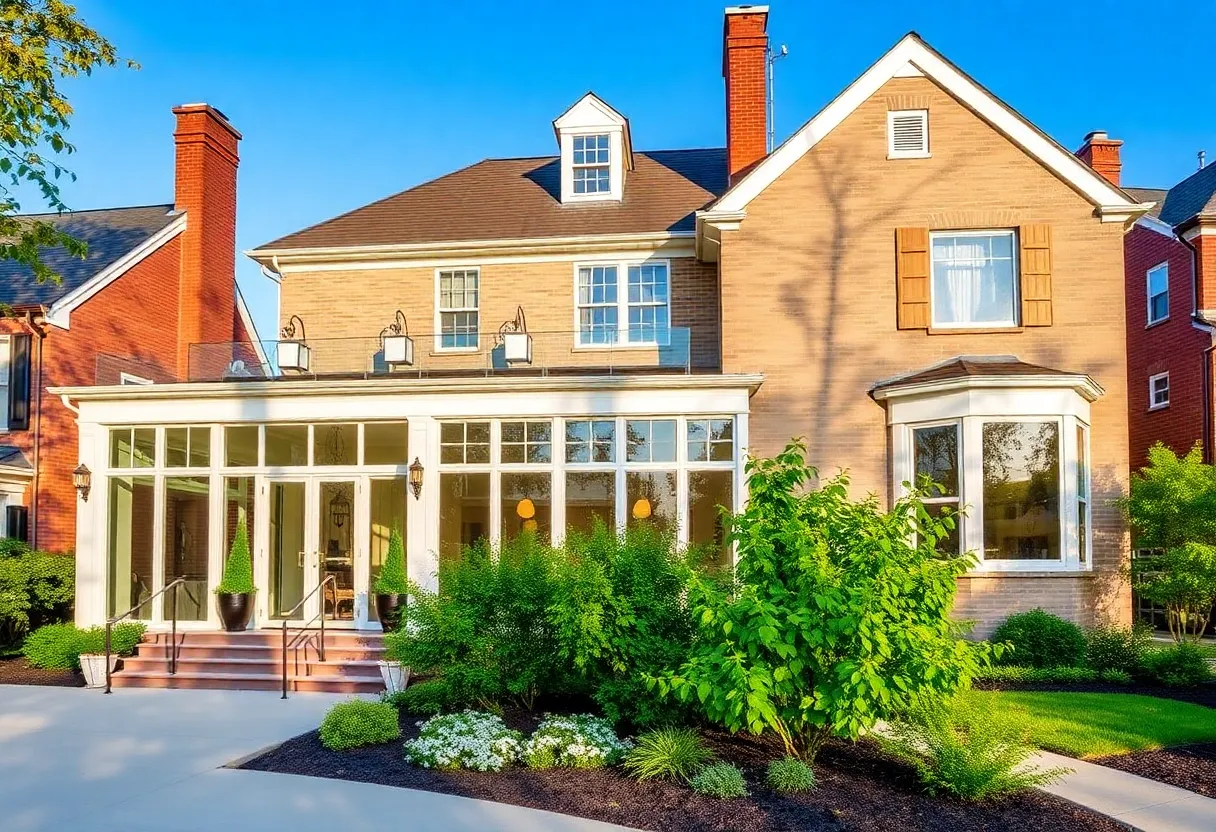
Planning a home addition in Baltimore represents a significant investment in your property and lifestyle. A successful project requires diligent preparation, adherence to local regulations, and strategic execution. This guide explores the critical steps essential for ensuring your home addition is constructed efficiently, within budget, and with long-term value in mind.
Understanding the Motivation and Setting Clear Goals
Define Your Objectives
Initially, clarify your reasons for expanding your home. Common motives include increasing living space, creating a dedicated office, adding a guest suite, or enhancing property value. Explicit goals help guide design decisions and determine project scope.
Assess Your Needs and Priorities
Document specific needs versus wants. Identify must-have features—such as number of bedrooms or functional areas—and prioritize them. This focus on core requirements streamlines the planning process and prevents scope creep.
Evaluate Budget Constraints
Establish a comprehensive budget early. Account for construction costs, permitting fees, design fees, and contingencies. Incorporate a buffer—typically 10-15%—to accommodate unexpected expenses. Understanding financial limits influences design choices and project scope.
Comprehensive Site and Property Analysis
Conduct a Detailed Site Inspection
Evaluate your lot’s topography, soil stability, drainage, and existing structures. Consider how the addition will integrate with your home’s current foundation and layout.
Survey and Property Line Verification
Work with a licensed surveyor to determine exact property boundaries. This step ensures compliance with setbacks and avoids encroachment issues that can cause legal complications later.
Assess Structural Suitability
Consult structural engineers or experienced contractors to determine if your existing foundation can support an addition. Reinforcements may be necessary for older homes or challenging terrains common in Baltimore.
Understanding Local Regulations and Permitting Processes
Familiarize with Baltimore Building Codes
Baltimore enforces specific building codes and zoning ordinances. These regulate setbacks, height restrictions, lot coverage, and other parameters. Compliance is mandatory to avoid penalties and delays.
Secure Necessary Permits
Obtain building permits from the Baltimore Department of Housing and Community Development. Prepare detailed plans and documentation demonstrating compliance with all applicable codes.
Investigate Historical and Neighborhood Restrictions
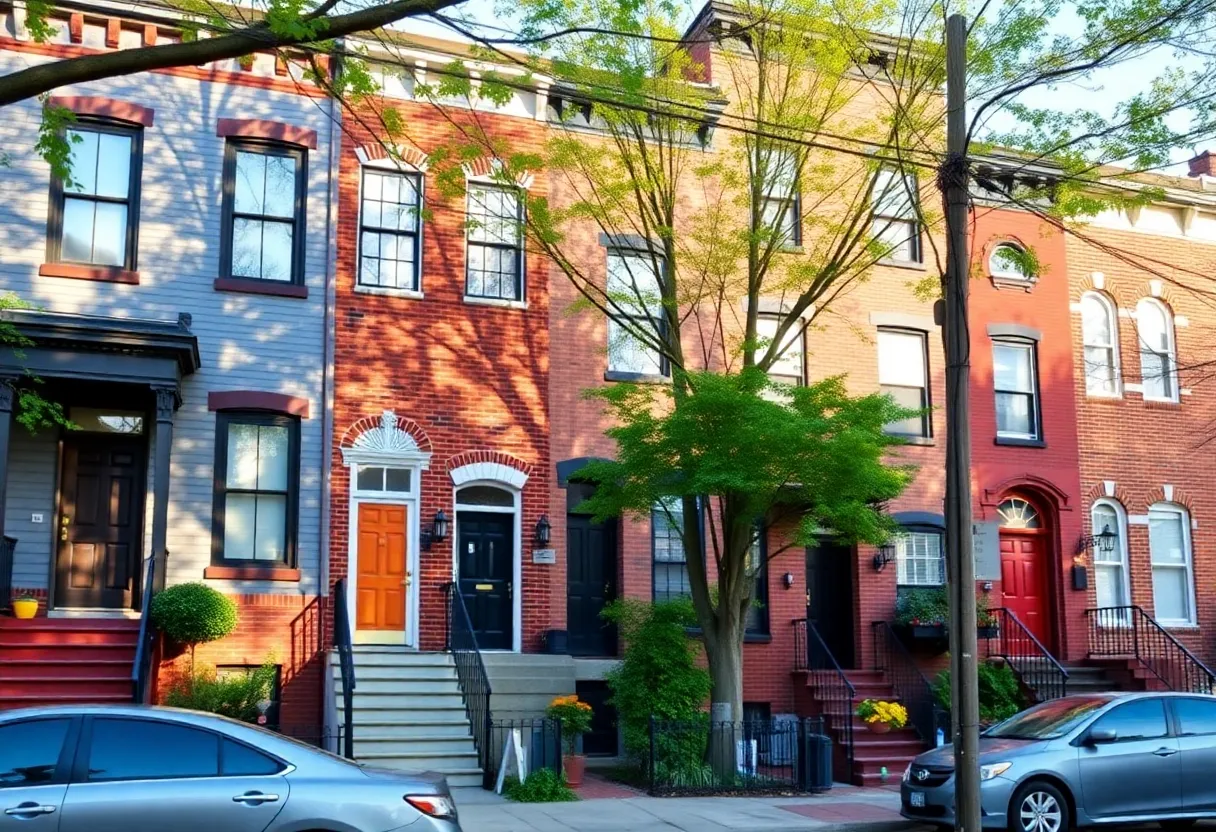
Baltimore neighborhoods often have preservation guidelines or covenants. Verify if your property falls under any special regulations that could affect design or construction choices.
Design Development and Site Planning
Engage Professional Design Services
Hire architects or designers skilled in Baltimore’s zoning and building standards. Clear, detailed plans facilitate smoother permitting and construction phases.
Create Functional and Aesthetic Plans
Develop layout diagrams emphasizing flow, functionality, and design harmony. Balance aesthetic appeal with practical needs and long-term maintenance considerations.
Optimize for Future Flexibility
Consider future expansion or modifications. Incorporate adaptable spaces and infrastructure to accommodate evolving needs.
Choosing the Right Construction Partner
Research and Vet Contractors
Select contractors with substantial Baltimore-area experience, proper licensing, and positive references. Request portfolios and detailed bids for comparison.
Solicit Detailed Bids and Contracts
Obtain written estimates covering scope, timeline, payment schedules, and warranties. Clear contracts reduce misunderstandings and provide legal protection.
Confirm Insurance and Compliance
Ensure contractors hold appropriate liability insurance and adhere to OSHA safety standards. Confirm they comply with Baltimore’s local licensing requirements.
Developing a Realistic Construction Timeline
Establish Project Milestones
Work with your contractor to outline phases—permit approval, foundation, framing, systems, interior work, and finishings. Concrete timelines improve coordination and expectations.
Anticipate Potential Delays
Weather conditions, material availability, and permit processing can impact schedules. Incorporate buffer periods to mitigate disruption.
Preparing Your Home and Property
Minimize Disruption
Plan for temporary relocations or adjustments. Protect existing structures, landscaping, and utilities from damage during construction.
Secure Storage and Access
Arrange secure storage for materials and ensure clear access routes for construction vehicles without compromising safety.
Budget Monitoring and Quality Control
Track Expenses Diligently
Regularly compare invoices to original estimates. Address cost overruns immediately by consulting with your contractor.
Prioritize Quality and Safety
Ensure workmanship adheres to standards. Use quality materials to guarantee durability and value.
Final Inspection and Project Completion
Conduct Walk-Throughs
Inspect the completed work thoroughly. Document any deficiencies and require timely corrections before final acceptance.
Secure Certificate of Occupancy
Obtain this official document from Baltimore authorities, confirming the addition complies with all codes and is safe for occupancy.
Plan for Long-Term Maintenance
Develop a maintenance plan to preserve structural integrity and aesthetic appeal. Regular inspections ensure your investment endures.
Additional Considerations Specific to Baltimore
Weather and Construction Seasons
Baltimore experiences four distinct seasons. Schedule major construction phases during mild weather to reduce delays and complications.
Incorporating Historic Character
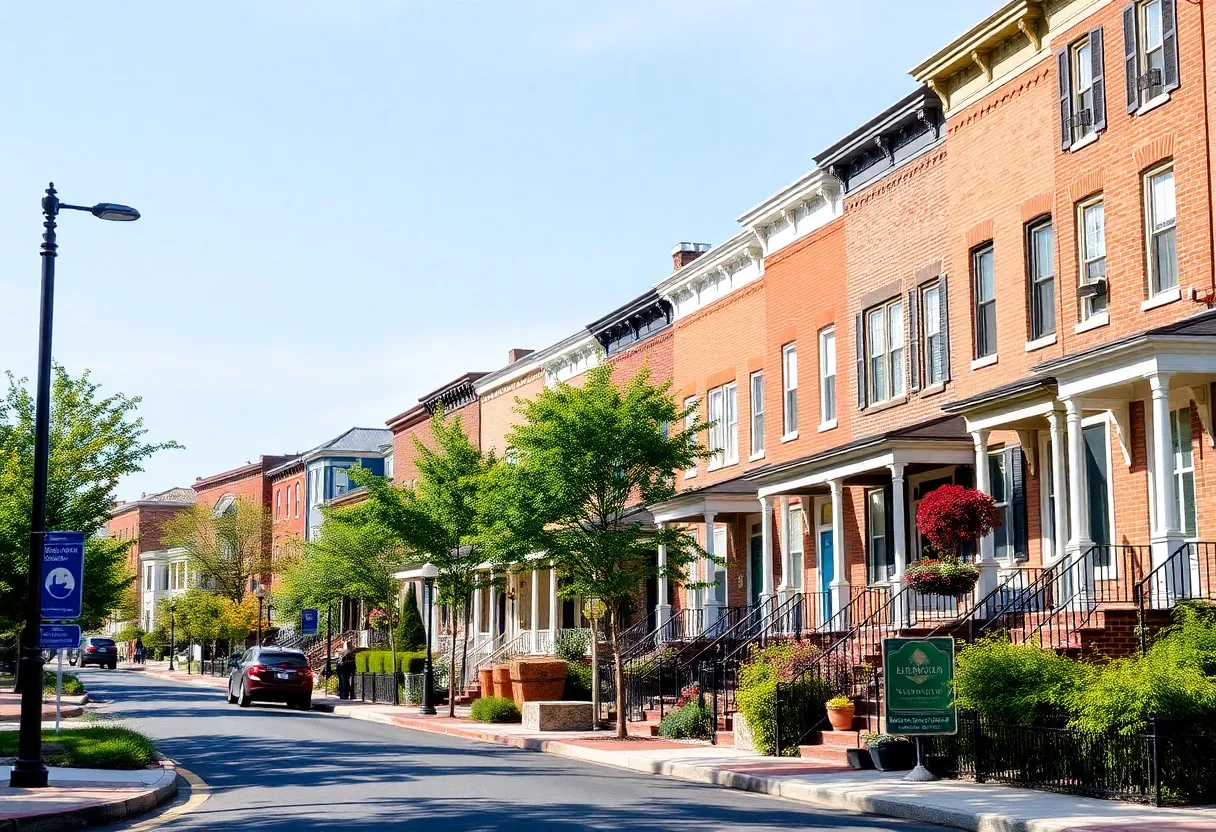
If your home is in a historic district, consider design elements that respect architectural heritage while satisfying modern standards.
Environmental and Sustainability Factors
Utilize energy-efficient systems and sustainable materials. Baltimore’s climate benefits from green building practices that reduce long-term costs.
Conclusion
A successful home addition in Baltimore is rooted in meticulous planning and understanding local complexities. From setting clear objectives to navigating permits, each step impacts the project’s outcome. Collaborate with experienced professionals, respect zoning laws, and prioritize quality craftsmanship. By following these essential steps, homeowners can significantly enhance their properties—benefiting their quality of life and increasing market value.