
Baltimore, January 8, 2026
The Maryland Transit Administration has unveiled a new fleet of subway cars to enhance passenger comfort and efficiency. The modern railcars feature larger windows, increased bicycle storage, and brighter lighting. Baltimore Mayor Brandon Scott emphasized this investment’s significance in improving transit options and countering historical disinvestment. Supported by a federal grant for fleet modernization, the MTA aims to ensure a reliable and accessible transportation system in the Baltimore region, while also bolstering the local economy with the opening of a railcar factory.
Baltimore, Maryland
Maryland Transit Administration Unveils New Subway Cars
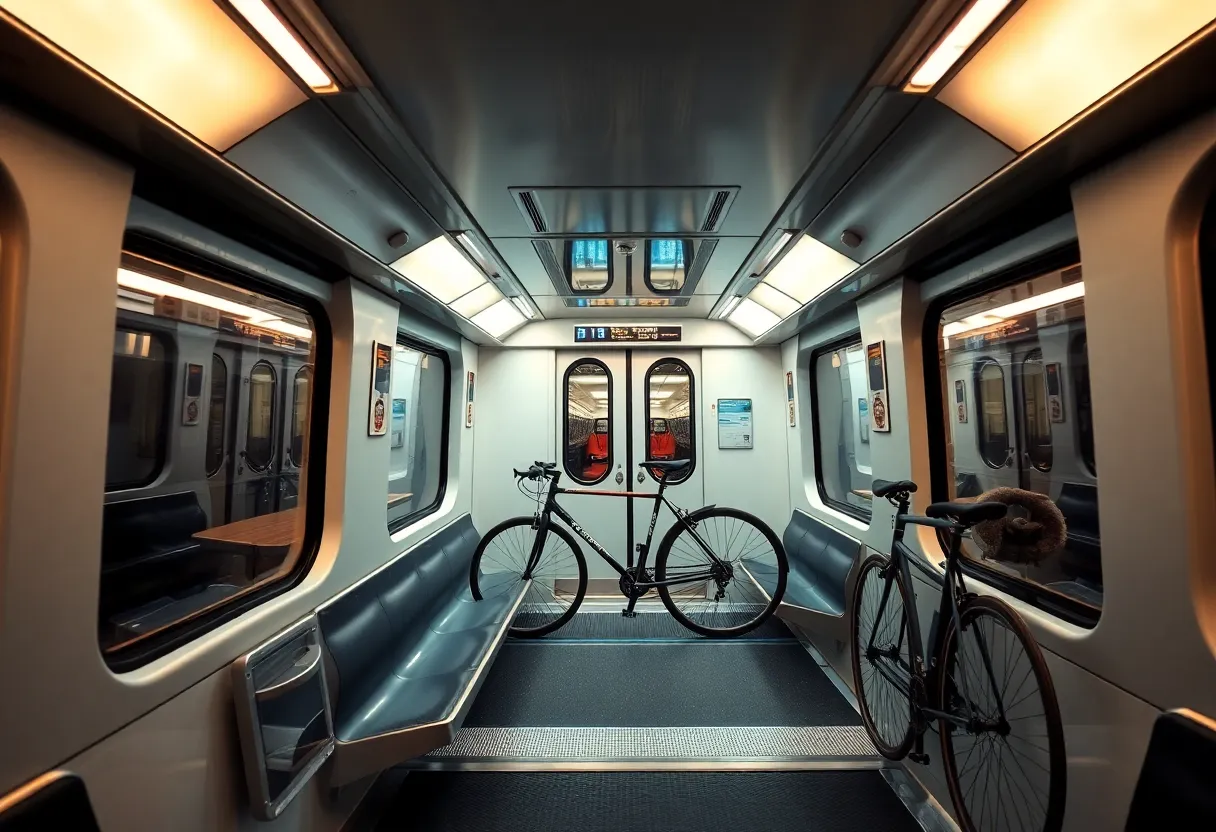
The Maryland Transit Administration (MTA) has introduced a new fleet of subway cars designed to enhance passenger comfort and efficiency. These modern railcars feature larger windows, increased bicycle storage space, and brighter lighting, aiming to provide a more comfortable and accessible ride for commuters.
At the unveiling event, Baltimore Mayor Brandon Scott emphasized the significance of this investment in the city’s public transit system. He highlighted the importance of intentional investment in transit to counteract historical disinvestment and improve transportation options for residents.
The new subway cars are part of MTA’s ongoing efforts to modernize its fleet and improve service reliability. This initiative follows a previous federal grant awarded to MTA in February 2024, which provided $213 million to replace the entire light-rail vehicle fleet. The grant, made possible by the Infrastructure Investment and Jobs Act, supports the procurement of 55 new low-floor, 95-foot railcars over the next decade, aiming to enhance accessibility and reduce maintenance costs.
Additionally, in September 2025, Hitachi Rail opened a $100 million railcar factory in Hagerstown, Maryland. This facility is capable of delivering up to 20 railcars per month and employs 460 workers, contributing to the local economy and supporting MTA’s vehicle replacement program.
These developments reflect MTA’s commitment to improving public transportation infrastructure and services in the Baltimore region, ensuring a more reliable and comfortable experience for all riders.
Investment in Baltimore’s Public Transit System
The introduction of new subway cars stands as a testament to the potential of public-private partnerships. By utilizing federal funding and local initiatives, this investment not only seeks to improve the quality of public transit but also showcases Baltimore’s resilience in overcoming historical challenges related to transportation. Private investment in railcar manufacturing, exemplified by Hitachi Rail’s Hagerstown factory, illustrates the harmony between governmental initiatives and entrepreneurial spirit.
Federal Support and Economic Impact
The $213 million federal grant awarded to MTA exemplifies the effectiveness of targeted federal support in revitalizing local infrastructure. This funding is critical for upgrading transportation systems, promoting job creation, and ensuring accessibility for all residents. The ongoing modernization of the MTA fleet highlights the positive implications that such investments can have, not only on public transit but also on the broader Baltimore economy.
New Features Aimed at Enhanced Commuter Experience
The key features of the new subway cars, including larger windows, brighter lighting, and increased bicycle storage, demonstrate a thoughtful approach to enhancing the commuter experience. Focusing on passenger comfort and accessibility serves to encourage more residents to utilize public transportation, thus reducing congestion and environmental impact in the city. This strategic direction presents opportunities for local businesses to thrive as commuters gain better access to various economic hubs throughout Baltimore.
Looking Ahead: The Future of Baltimore’s Public Transit
The commitment by MTA to foster a modernized transit system aligns well with Baltimore’s growth objectives. As these new subway cars are integrated into the existing fleet, there’s an expectation of enhanced service reliability and passenger satisfaction. Looking forward, continued investments in public transportation will be essential for supporting the city’s economic growth and ensuring that Baltimore remains an attractive place for both residents and businesses alike.
Conclusion
The unveiling of the new subway cars by MTA marks a significant step towards revitalizing Baltimore’s public transit system. With federal support and a commitment to modernization, local economic growth is poised to gain momentum. The key takeaway is clear: invested resources in public transportation can indeed drive community engagement, promote small-business success, and foster a thriving local economy. Baltimore residents are encouraged to stay engaged in this transformative journey and support local businesses that will thrive alongside these changes.
Frequently Asked Questions (FAQ)
What are the key features of the new subway cars introduced by MTA?
The new subway cars feature larger windows, increased bicycle storage space, and brighter lighting, aiming to enhance passenger comfort and accessibility.
How does Mayor Brandon Scott view the investment in the new subway cars?
Mayor Brandon Scott emphasized the significance of this investment in the city’s public transit system, highlighting the importance of intentional investment in transit to counteract historical disinvestment and improve transportation options for residents.
What federal support has MTA received for vehicle replacement?
In February 2024, MTA was awarded a $213 million federal grant to replace its entire light-rail vehicle fleet. This grant, made possible by the Infrastructure Investment and Jobs Act, supports the procurement of 55 new low-floor, 95-foot railcars over the next decade, aiming to enhance accessibility and reduce maintenance costs.
What is the capacity of the new railcar factory opened by Hitachi Rail in Hagerstown?
The new $100 million railcar factory in Hagerstown, Maryland, is capable of delivering up to 20 railcars per month and employs 460 workers, contributing to the local economy and supporting MTA’s vehicle replacement program.
Key Features of MTA’s New Subway Cars
| Feature | Description |
|---|---|
| Larger Windows | Provide improved visibility and a more open feel inside the train. |
| Increased Bicycle Storage Space | Accommodate more bicycles, catering to cyclists who use the subway for commuting. |
| Brighter Lighting | Enhance visibility and safety for passengers during their journey. |
Deeper Dive: News & Info About This Topic
HERE Resources