
Baltimore, December 3, 2025
Baltimore’s development center is shifting focus from the Inner Harbor to new projects around the city, leading to challenges in recovery efforts. High office vacancies and the emergence of new development zones such as Harbor Point and Baltimore Peninsula complicate the revitalization approach, resulting in a fragmented city identity and strained infrastructure. A coordinated urban planning strategy is essential for balanced growth and addressing economic disparities among neighborhoods.
Baltimore’s Development Center Faces Challenges Amid Shifting Focus
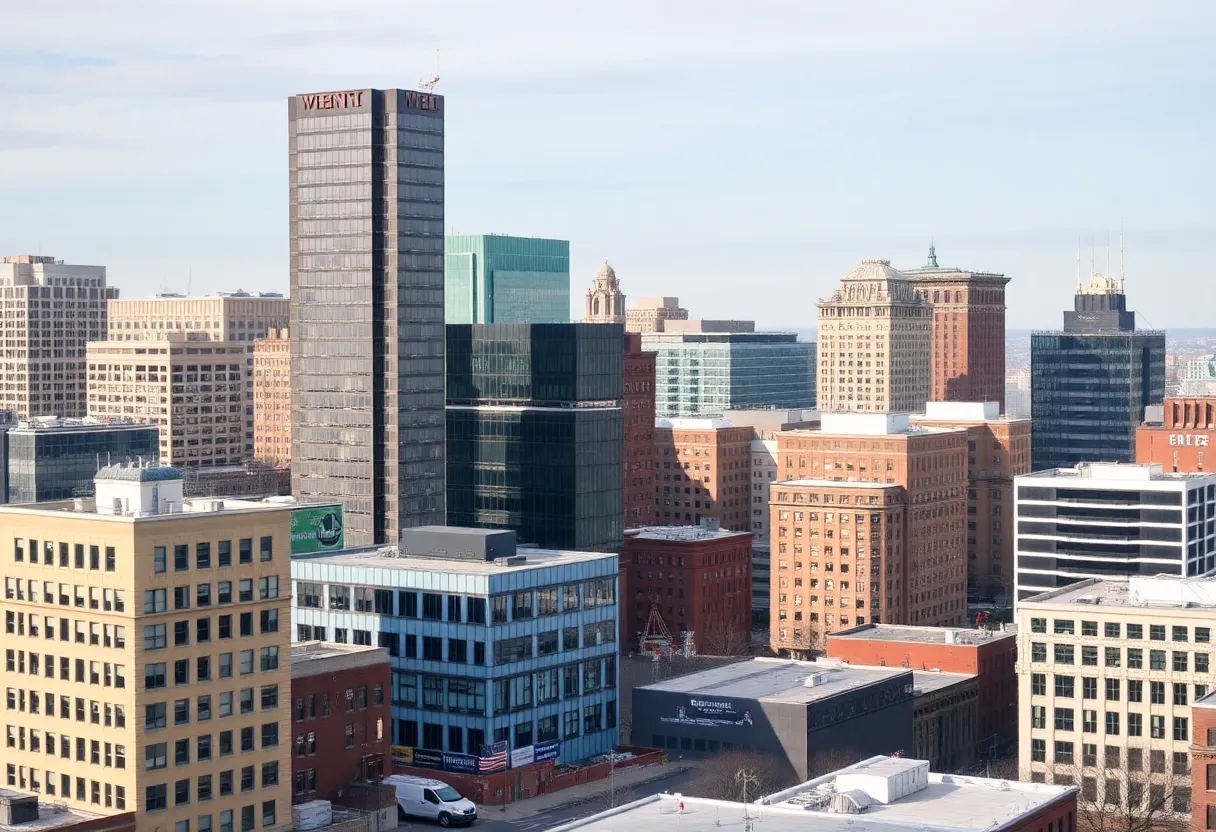
Baltimore, Maryland – The city’s development center is undergoing significant changes, presenting challenges to its recovery efforts. The traditional focus on the Inner Harbor is diminishing, with new developments emerging in various parts of the city, leading to a fragmented revitalization approach.
Decline of Inner Harbor’s Central Role
Historically, the Inner Harbor served as Baltimore’s economic and cultural hub. However, the area now faces high office vacancies as businesses relocate to other city parts seeking modern amenities and fresh environments. This shift has diminished the Inner Harbor’s prominence in the city’s development landscape.
Emergence of New Development Zones
In response to the decline of the Inner Harbor, several new development projects are underway in different city areas. Notable initiatives include:
- Harbor Point: A 27-acre redevelopment of a former industrial site, now home to T. Rowe Price’s headquarters.
- Baltimore Peninsula: A 177-acre project featuring Under Armour’s campus, including offices, apartments, and a stadium.
These projects aim to create distinct neighborhoods, but their scattered nature complicates the city’s overall recovery strategy.
Challenges in Coordinated Development
The lack of a unified development strategy has led to several issues:
- Fragmented Identity: Multiple developments without clear connections may confuse residents and visitors, hindering the formation of a cohesive city identity.
- Infrastructure Strain: Dispersed projects can place uneven demands on the city’s infrastructure, leading to inefficiencies and potential service disruptions.
- Economic Disparities: Uneven development may exacerbate economic inequalities, with some neighborhoods benefiting more than others.
Addressing these challenges requires a comprehensive and coordinated approach to urban planning and development.
Conclusion
Baltimore’s development center is experiencing a significant shift, moving away from its traditional focus on the Inner Harbor to embrace new projects across the city. While these developments offer potential for revitalization, their fragmented nature presents challenges to the city’s recovery efforts. A unified and strategic approach is essential to ensure balanced growth and a cohesive urban identity.
Frequently Asked Questions (FAQ)
What is causing the decline of the Inner Harbor’s central role in Baltimore’s development?
The decline is due to businesses relocating to other parts of the city in search of modern amenities and fresh environments, leading to high office vacancies in the Inner Harbor.
What are some of the new development projects in Baltimore?
Notable projects include Harbor Point, a 27-acre redevelopment housing T. Rowe Price’s headquarters, and Baltimore Peninsula, a 177-acre project featuring Under Armour’s campus, offices, apartments, and a stadium.
What challenges does the fragmented development approach pose to Baltimore’s recovery?
The fragmented approach leads to a lack of cohesive city identity, strains on infrastructure, and potential economic disparities among neighborhoods.
How can Baltimore address these development challenges?
Implementing a comprehensive and coordinated urban planning strategy is essential to ensure balanced growth and a unified urban identity.
Key Features of Baltimore’s Development Shift
| Feature | Description |
|---|---|
| Decline of Inner Harbor | High office vacancies as businesses relocate, diminishing the area’s prominence. |
| New Development Projects | Initiatives like Harbor Point and Baltimore Peninsula aim to create distinct neighborhoods. |
| Fragmented Development | Lack of a unified strategy leading to challenges in coordinated growth. |
| Infrastructure Strain | Dispersed projects placing uneven demands on city services. |
| Economic Disparities | Uneven development potentially exacerbating inequalities among neighborhoods. |
Deeper Dive: News & Info About This Topic
HERE Resources
Atlantic Union Bank Expands Presence in Baltimore
Holly Jolly: Holiday Spectacular Debuts in Columbia, MD
Tinsel on Tap Unites Baltimore’s Community for a Cause
Luigi Mangione’s Pretrial Hearing Sparks Attention
New England Patriots Celebrate Their 10th Win Over Giants
Community Concerns Rise Amid Increased ICE Enforcement in Baltimore
Montgomery County Faces Significant Challenges Amid Developments
Baltimore’s Crime Landscape: Jury Verdict and Crime Statistics
Woodlawn to Host Public Meeting on Proposed Data Center
Legal Challenge Proceeds Against Maryland’s Kids Code