

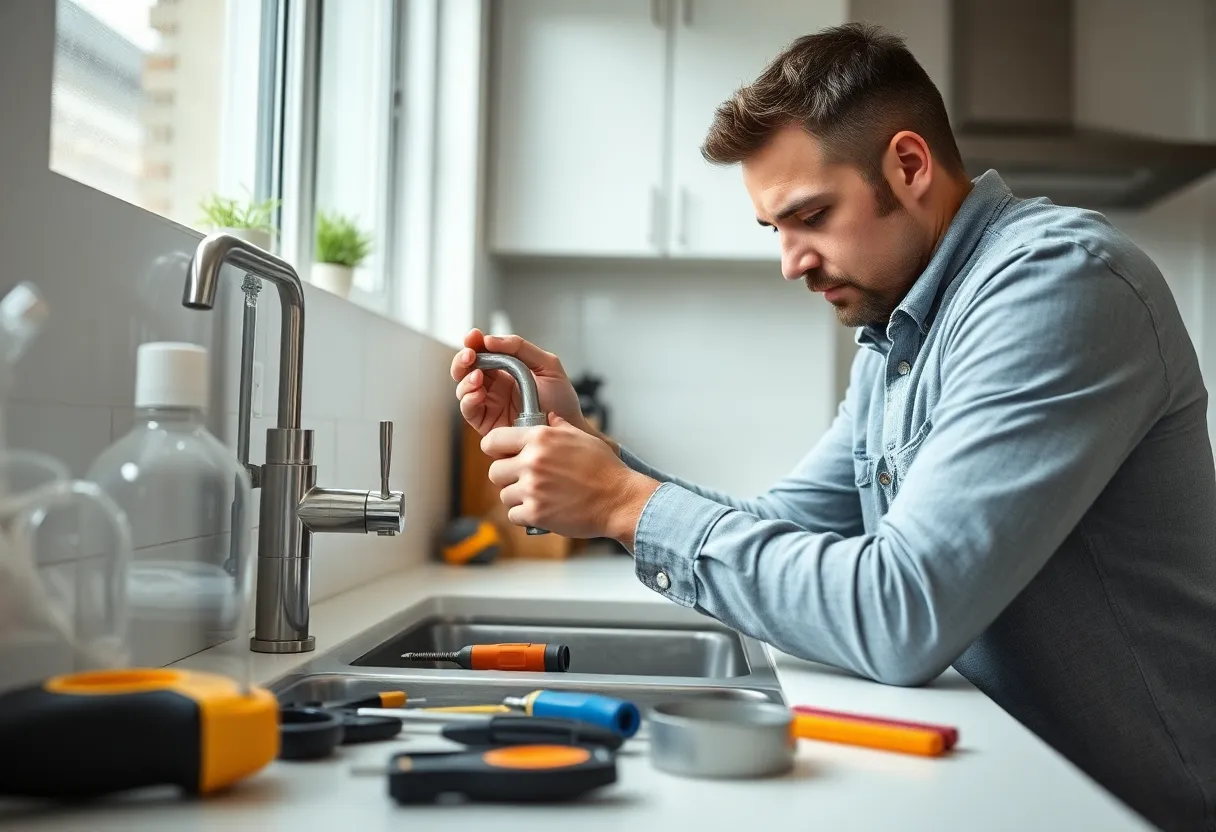
What Are the Top 10 DIY Repairs Every Homeowner Should Know?
Introduction
Homeownership entails a continuous cycle of maintenance and repairs. While professional help has its place, mastering basic do-it-yourself (DIY) skills empowers homeowners to address common issues promptly and cost-effectively. Familiarity with essential repairs enhances safety, preserves property value, and minimizes inconvenience. This guide delineates the top 10 DIY repairs every homeowner should know, focusing on practical techniques and crucial safety considerations.
1. Fixing a Leaking Faucet
Why it matters
A leaky faucet can waste gallons of water daily, increasing utility bills and causing potential water damage over time. Addressing it swiftly prevents deterioration of fixtures and minimizes water wastage.
Tools and materials needed
- Adjustable wrench
- Screwdriver set
- O-ring or gasket replacements
- Plumber’s grease
- Cleaning cloth
Step-by-step procedure
- Turn off the water supply under the sink to prevent water flow during repair.
- Open the faucet to drain residual water and release pressure.
- Use a screwdriver to remove the handle, exposing the cartridge or valve assembly.
- Inspect the O-ring, cartridge, or valve seat for damage or debris.
- Replace worn or damaged components with new parts.
- Apply plumber’s grease to moving parts for smooth operation.
- Reassemble the faucet, turn on water supply, and verify the leak has stopped.
2. Patching Small Holes and Cracks in Walls
Importance of prompt repair
Small holes and cracks can compromise wall integrity and diminish aesthetic appeal. Timely patching helps maintain the structural and visual integrity of your home.
Materials required
- Spackle or joint compound
- Putty knife
- Sandpaper (fine-grit)
- Primer and paint (matching existing color)
- Putty or patching drywall
Repair process
- Clean loose debris from the hole or crack.
- Apply spackle or joint compound using a putty knife, pressing firmly into the area.
- Allow to dry thoroughly per manufacturer instructions.
- Sand the patched area smooth, removing excess build-up.
- Prime and paint to match the surrounding wall.
3. Unclogging a Drain
Significance
Clogged drains cause slow water flow and unpleasant odors. Quick DIY intervention prevents further plumbing issues and maintains hygiene.
Tools and supplies
- Drain plunger
- Drain snake or auger
- Bucket
- Gloves
- Vinegar and baking soda (alternative eco-friendly methods)
Procedure
- Place a bucket underneath the drain to catch water.
- Use a plunger to create suction and loosen the clog.
- If unsuccessful, insert a drain snake into the pipe to break up the obstruction.
- Pull out debris or dispose of it in the bucket.
- Flush with hot water or a vinegar-baking soda solution to clear residual buildup.
4. Replacing a Toilet Flapper
Why replace
A faulty flapper causes the toilet to run continuously, wasting water and increasing bills. Replacing it restores efficient flushing and water conservation.
Materials needed
- Replacement flapper
- Adjustable pliers
- Rubber gloves
Steps to replace
- Turn off the water supply valve behind the toilet and flush to empty the tank.
- Remove the old flapper from the flush valve.
- Clean the flapper seat to ensure a proper seal.
- Attach the new flapper to the chain and position it correctly on the flush valve.
- Turn the water back on and test for proper operation.
5. Repairing Small Gutter or Downspout Blockages
Why it’s essential
Blocked gutters can cause water overflow, roof damage, and basement flooding. DIY cleaning and minor repairs preserve drainage efficiency.
Tools and supplies
- Ladder
- Gloves
- Garden hose
- Roofing sealant (for minor leaks)
- Replacement brackets or screws (if necessary)
Repair steps
- Set up the ladder safely on stable ground.
- Remove debris manually, using gloves for protection.
- Flush gutters with water to confirm clear flow and identify leaks.
- Seal minor leaks with roofing sealant or apply new brackets if gutters are loose or misaligned.
- Regularly inspect and clean gutters to prevent future blockages.
6. Replacing a Broken or Damaged Door Lock
Significance
Maintaining home security is vital. Replacing faulty locks ensures safety without requiring professional locksmith services.
Tools and supplies
- New lock set (deadbolt, doorknob, or lever lock)
- Screwdriver
- Measuring tape
- Drill (if new holes are needed)
Installation procedure
- Remove the old lock by unscrewing mounting screws.
- Align the new lock with existing holes; drill new ones if necessary.
- Secure the lock assembly tightly to the door.
- Test the locking mechanism for smooth operation.
- Lubricate moving parts for longevity and ease of use.
7. Fixing a Running Toilet
Impact of neglect
A continuously running toilet wastes gallons of water, inflates utility bills, and can lead to plumbing damage. DIY correction restores efficiency.
Tools and materials
- Replacement flapper or fill valve
- Adjustable wrench
- Twist-on connector (if needed)
Repair steps
- Turn off the water supply to the toilet.
- Drain the tank by flushing and holding down the handle.
- Inspect and replace the flapper if it’s warped or deteriorated.
- Adjust or replace the fill valve if water continues to run excessively.
- Turn on water supply, check for proper operation, and ensure no leaks.
8. Installing a New Showerhead
Reasons for DIY upgrade
A modern, water-efficient showerhead can improve comfort, conserve water, and reduce utility bills. Installation is straightforward and improves bathing experience.
Tools and supplies
- New showerhead
- Adjustable pliers
- Plumber’s tape (Teflon tape)
Installation steps
- Unscrew the existing showerhead carefully with an adjustable wrench.
- Clean the threaded pipe fitting to remove old Teflon tape or debris.
- Wrap new Teflon tape clockwise around the threads.
- Screw in the new showerhead clockwise, tightening by hand and then lightly with a wrench if needed.
- Test for leaks and adjust as necessary.
9. Repairing or Replacing Light Fixtures or Switches
Safety first
Electrical repairs pose serious safety risks. If uncertain, consult a professional. For manageable issues, ensure power is off before proceeding.
Tools needed
- Voltage tester
- Screwdriver
- Replacement fixture or switch
- Wire strippers
Repair steps
- Turn off power at the circuit breaker.
- Use a voltage tester to confirm no current flow.
- Remove the existing fixture or switch carefully.
- Disconnect wires, noting their connections.
- Connect wires to the new fixture or switch following the original configuration.
- Secure to the wall and restore power to test.
10. Sealing Drafts Around Windows and Doors
Why seal
Sealing gaps prevents energy loss, reduces utility costs, and enhances comfort. DIY sealing is simple and highly effective.
Materials required
- Weatherstripping (foam, rubber, or vinyl)
- Silicone or caulk
- Utility knife
- Caulking gun
Sealing procedure
- Identify drafts by feeling along windows and doors or using incense smoke.
- Remove old weatherstripping or caulk as needed.
- Measure and cut weatherstripping to size.
- Apply the weatherstripping along the perimeter of windows or doors.
- For larger gaps, apply a bead of silicone caulk and smooth with a finger or caulking tool.
- Test the seal by feeling for drafts after installation.
Conclusion
Mastering these top 10 DIY repairs empowers homeowners to maintain and improve their residences efficiently. Prioritize safety, follow instructions meticulously, and use appropriate tools. Regular maintenance and timely repairs preserve the integrity and comfort of your home. With the right skills, many common household issues can be resolved swiftly, saving time and expense while enhancing your property’s value.

Author: STAFF HERE BALTIMORE WRITER
The BALTIMORE STAFF WRITER represents the experienced team at HEREBaltimore.com, your go-to source for actionable local news and information in Baltimore, Baltimore County, and beyond. Specializing in "news you can use," we cover essential topics like product reviews for personal and business needs, local business directories, politics, real estate trends, neighborhood insights, and state news affecting the area—with deep expertise drawn from years of dedicated reporting and strong community input, including local press releases and business updates. We deliver top reporting on high-value events such as the Baltimore Book Festival, Preakness Stakes, and Artscape. Our coverage extends to key organizations like the Baltimore Chamber of Commerce and Visit Baltimore, plus leading businesses in shipping and healthcare that power the local economy such as the Port of Baltimore and Johns Hopkins Medicine. As part of the broader HERE network, we provide comprehensive, credible insights into Maryland's dynamic landscape.