

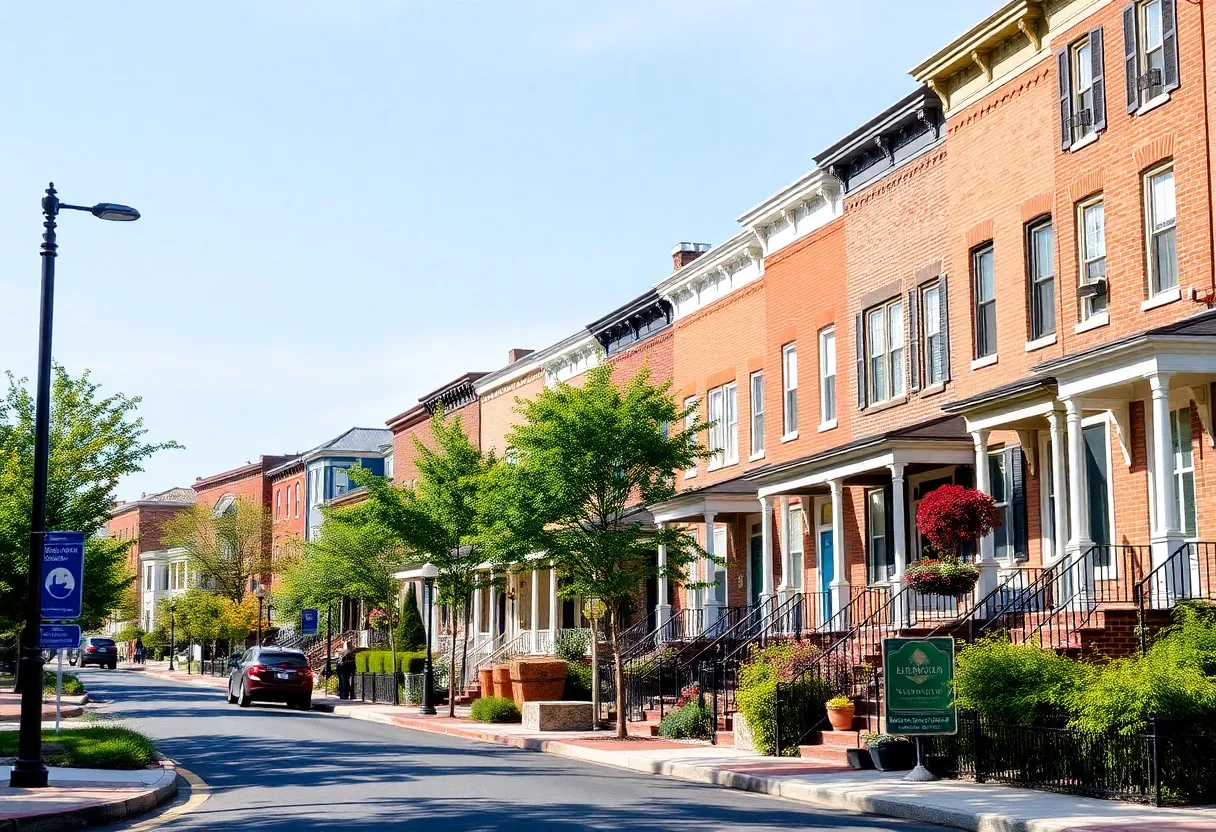
How to Effectively Research Baltimore’s Neighborhoods for First-Time Homebuyers: Essential Tips for Success
Introduction
Embarking on the journey of purchasing a home in Baltimore requires meticulous neighborhood research. For first-time buyers, understanding the nuances of the city’s diverse communities is crucial. This process ensures that buyers find an environment that aligns with their lifestyle, financial goals, and long-term plans. Effective research is rooted in gathering accurate, relevant information about key attributes of each neighborhood, enabling informed decision-making and fostering confidence throughout the homebuying process.
Understanding the Significance of Neighborhood Research
Thorough neighborhood research forms the foundation of a successful home purchase. It helps to:
- Identify areas that match personal preferences and priorities.
- Assess economic stability and growth potential.
- Determine proximity and access to essential amenities, schools, and transportation.
- Evaluate safety and community engagement levels.
- Estimate future home value appreciation or risks.
This comprehensive understanding reduces surprises after purchase and increases satisfaction with the chosen location. For first-time buyers, this step is more than a formality; it’s a strategic move to secure a home that supports their ideal lifestyle.
Step 1: Define Personal Priorities and Budget Constraints
Clarify Your Needs and Desires
Begin by listing primary factors that influence the neighborhood choice:
- Commute and Transportation: Access to major highways, public transit options.
- Safety: Crime rates and community vigilance.
- Schools: Quality of nearby educational institutions.
- Amenities: Parks, shopping centers, healthcare facilities.
- Community Vibe: Demographic makeup, cultural venues, neighborhood events.
Align these priorities with realistic expectations to narrow your options efficiently.
Establish Financial Parameters
Set a clear budget considering all costs, including down payment, monthly mortgage, taxes, HOA fees, and maintenance. Understanding your financial limits ensures you focus only on neighborhoods within reach and prevents future strain.
Step 2: Gather Data on Baltimore’s Neighborhoods
Research Crime and Safety Data
Safety remains a primary concern. Access neighborhood-specific crime statistics, noting patterns or recent incidents. Pay attention to types of crimes—property, violent, or lesser infractions—and compare levels across areas. Such data offers an objective view beyond subjective impressions.
Assess Schools and Education Facilities
Quality of local schools influences both daily life and property values. Review school ratings, graduation rates, and extracurricular offerings. Even if not immediately relevant, strong educational institutions are vital for long-term property appreciation and family considerations.
Evaluate Housing Market Trends
Track recent sales prices, time on market, and price fluctuations in prospective neighborhoods. Understanding these trends indicates market stability and growth prospects. For first-time buyers, this information aides in determining whether a neighborhood presents a sound investment.
Review Amenities and Infrastructure
Accessible parks, libraries, public transportation hubs, and retail centers contribute significantly to neighborhood desirability. Confirm proximity to essential services and recreational areas, which support daily convenience and future resale value.
Step 3: Utilize Local Resources and Data Sources
Online Data Portals
Leverage governmental or city-sponsored platforms providing crime maps, zoning information, and demographic profiles. These tools often include search filters by zip code, neighborhood, and specific indicators.
Community Engagement
Attend neighborhood meetings or open houses with local residents. Personal interactions often reveal insights about community cohesion, upcoming developments, or issues not captured in data alone.
Consult Local Real Estate Experts
Engage with real estate agents experienced in Baltimore markets. Their market knowledge, negotiation skills, and access to local insights are invaluable. Experienced agents can offer neighborhood overviews, alert buyers to emerging trends, and assist in interpreting data.
Visit Neighborhoods in Person
Preliminary visits provide a visceral sense of the community’s atmosphere. Observe traffic patterns, cleanliness, property conditions, and local activity. Timing visits during various hours reveals the neighborhood’s character comprehensively.
Step 4: Analyze Data in Context
Compare Neighborhoods Objectively
Create a comparison matrix to evaluate critical factors side-by-side:
- Crime levels relative to safety thresholds.
- School quality scores.
- Property price ranges and trends.
- Proximity to employment centers.
- Availability of preferred amenities.
This systematic evaluation helps to prioritize options aligned with personal goals and financial considerations.
Understand Long-Term Growth Potential
Identify signs of future growth, such as new infrastructure projects, urban development plans, or revitalization initiatives. Areas with ongoing investments tend to appreciate faster and offer better stability for first-time homebuyers.
Step 5: Clarify Zoning Laws and Development Plans
Research Zoning Restrictions
Understanding zoning helps predict future neighborhood changes such as commercial developments, density increases, or restrictions that might affect property value or lifestyle.
Review City Development Plans
Be aware of upcoming projects like transportation upgrades, parks, or commercial zones, which can influence the neighborhood’s desirability and property values.
Step 6: Evaluate the Impact of External Factors
Consider Economic Trends
Local employment rates, industry presence, and economic diversification impact neighborhood stability. Areas with robust local economies tend to offer safer investments.
Assess Environmental and Geographic Factors
Elevation, flood zones, and environmental risks should influence decision-making, especially in areas prone to flooding or natural hazards.
Conclusion
Researching Baltimore’s neighborhoods effectively is a strategic activity that involves collecting specific data, consulting reliable sources, and interpreting contextual factors. For first-time homebuyers, mastering this process enhances decision confidence, mitigates unforeseen challenges, and paves the way for a satisfying homeownership experience. By methodically defining priorities, leveraging available tools, and maintaining an objective perspective, buyers can identify neighborhoods that not only meet their current needs but also support their long-term financial and personal goals.