

Baltimore, MD, December 19, 2025
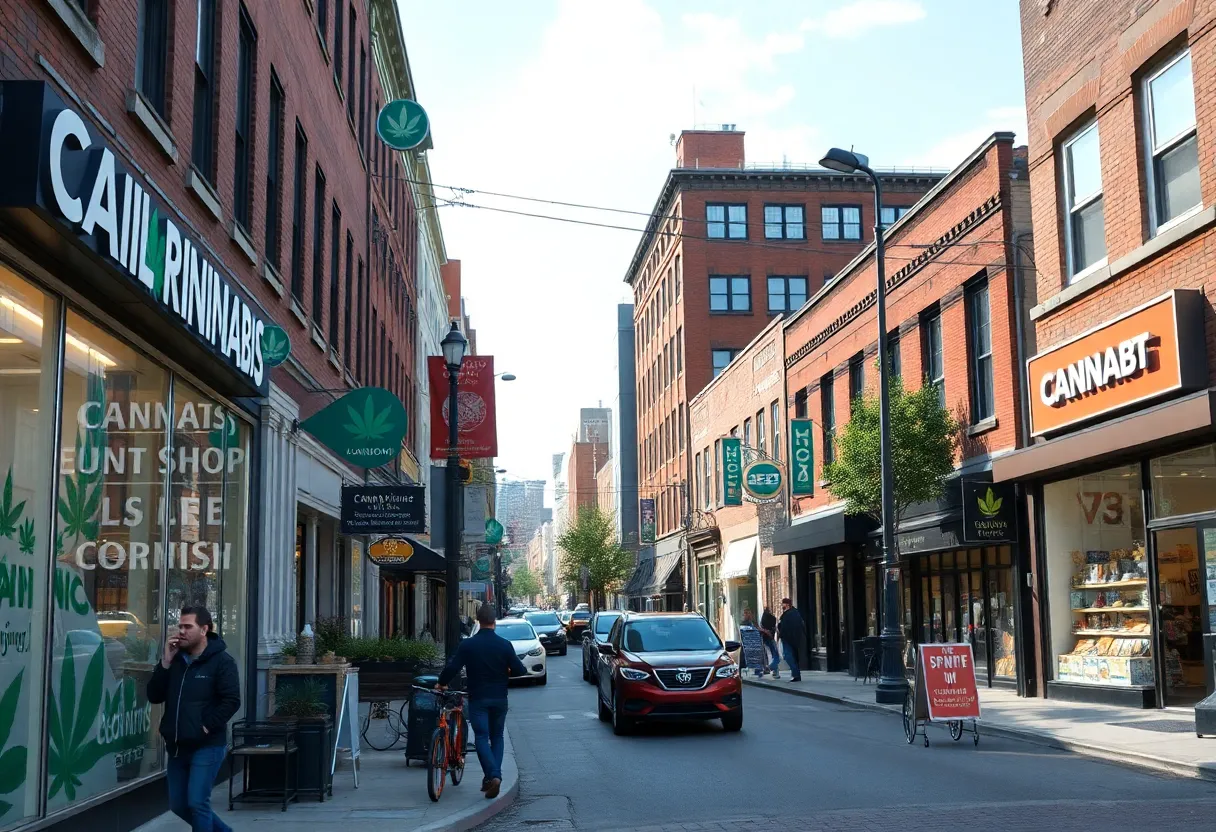
President Trump’s executive order to reclassify marijuana from a Schedule I to a Schedule III controlled substance is designed to acknowledge its medical benefits. This change aims to stimulate the cannabis industry in Baltimore, improving access to banking services for small businesses and fostering local entrepreneurship. However, challenges remain in securing financial support due to continued legal complexities. As public support for legalization grows, this reclassification could pave the way for further policy changes in the future.
Impact of Federal Marijuana Reclassification on Baltimore’s Economy
President Trump’s recent executive order opens doors for cannabis businesses.
Baltimore, MD – On December 18, 2025, President Donald Trump signed an executive order that will reshape the landscape of the cannabis industry by reclassifying marijuana from a Schedule I to a Schedule III controlled substance. This monumental policy shift acknowledges cannabis’s medical benefits and signals a progressive step towards easing regulations that have historically stifled entrepreneurial growth in this sector.
This executive order is poised to impact many small cannabis businesses across Baltimore and Maryland, fostering an environment where local entrepreneurs can tap into the growing market more effectively. The reclassification, which aligns marijuana with other medically recognized substances like ketamine, aims to enhance research, facilitate development, and reduce tax burdens on cannabis-related enterprises.
Understanding the Reclassification
Marijuana’s move to Schedule III classification allows the federal government to recognize its medical potential, potentially paving the way for increased legitimacy in the eyes of both the public and investors. This change does not legalize recreational marijuana use federally but is a positive step towards streamlining policies that affect cannabis businesses.
Banking and Financial Services
One of the significant benefits of the reclassification is the anticipated improvement in access to banking services for cannabis businesses. Historically, many financial institutions have been reluctant to work with cannabis companies due to their complex legal standing. The reclassification aims to alleviate some of these issues; however, challenges remain as the legal complexities surrounding marijuana still deter larger banks from fully engaging with these businesses.
Challenges Ahead
Despite the progress outlined in the executive order, cannabis companies might still struggle to secure capital from substantial banking institutions. Many of these larger companies are likely to proceed cautiously, opting for smaller banks or alternative lending options that tend to have higher borrowing costs. This ongoing reluctance underscores the continued need for legislative changes that would provide greater clarity and expand access to financial resources.
The Path to Federal Legalization
Industry experts believe the reclassification could be a precursor to broader federal legalization. Many anticipate that it will catalyze further legislative initiatives, including the potential passing of the SAFER Banking Act, which is designed to provide comprehensive access to financial services for cannabis businesses. As public support for marijuana legalization remains robust, with a notable 64% of Americans in favor, the momentum for policy change appears to be building.
Conclusion
The executive order signed by President Trump is a significant stride towards adopting more progressive policies concerning marijuana in the United States. By acknowledging the medical benefits of cannabis and facilitating research and development, this shift allows local entrepreneurs in Baltimore and beyond to thrive. As small business owners navigate these changes, it is essential for investors and community members to support the growth of this evolving industry. Staying engaged with local businesses will help foster economic development in Baltimore, reinforcing the strength and resilience of our community.
Frequently Asked Questions (FAQ)
What does the executive order signed by President Trump on December 18, 2025, entail?
The executive order directs the reclassification of marijuana from a Schedule I to a Schedule III controlled substance, acknowledging its medical potential and aiming to facilitate research and development within the industry.
Does this reclassification legalize recreational marijuana at the federal level?
No, the reclassification does not legalize recreational marijuana at the federal level. It is expected to reduce tax burdens for cannabis businesses and improve access to banking services.
How does this reclassification affect cannabis companies’ access to banking services?
Despite the reclassification, cannabis companies continue to face challenges in accessing capital from large banks due to the legal complexities surrounding federal law, which still classifies marijuana as a controlled substance.
What is the public opinion on marijuana legalization?
Public support for marijuana legalization remains strong, with 64% of Americans favoring legalization, according to Gallup polls.
Key Features of the Executive Order
| Feature | Description |
|---|---|
| Reclassification | Marijuana moved from Schedule I to Schedule III, recognizing its medical potential. |
| Impact on Recreational Use | Does not legalize recreational marijuana at the federal level. |
| Tax Implications | Expected to reduce tax burdens for cannabis businesses. |
| Banking Access | Improves access to banking services but challenges remain due to federal legal complexities. |
| Public Support | 64% of Americans favor marijuana legalization, according to Gallup polls. |
Deeper Dive: News & Info About This Topic
HERE Resources
Maryland’s Cannabis Industry Celebrates Major Policy Shift

Author: STAFF HERE BALTIMORE WRITER
The BALTIMORE STAFF WRITER represents the experienced team at HEREBaltimore.com, your go-to source for actionable local news and information in Baltimore, Baltimore County, and beyond. Specializing in "news you can use," we cover essential topics like product reviews for personal and business needs, local business directories, politics, real estate trends, neighborhood insights, and state news affecting the area—with deep expertise drawn from years of dedicated reporting and strong community input, including local press releases and business updates. We deliver top reporting on high-value events such as the Baltimore Book Festival, Preakness Stakes, and Artscape. Our coverage extends to key organizations like the Baltimore Chamber of Commerce and Visit Baltimore, plus leading businesses in shipping and healthcare that power the local economy such as the Port of Baltimore and Johns Hopkins Medicine. As part of the broader HERE network, we provide comprehensive, credible insights into Maryland's dynamic landscape.