

Baltimore, January 9, 2026
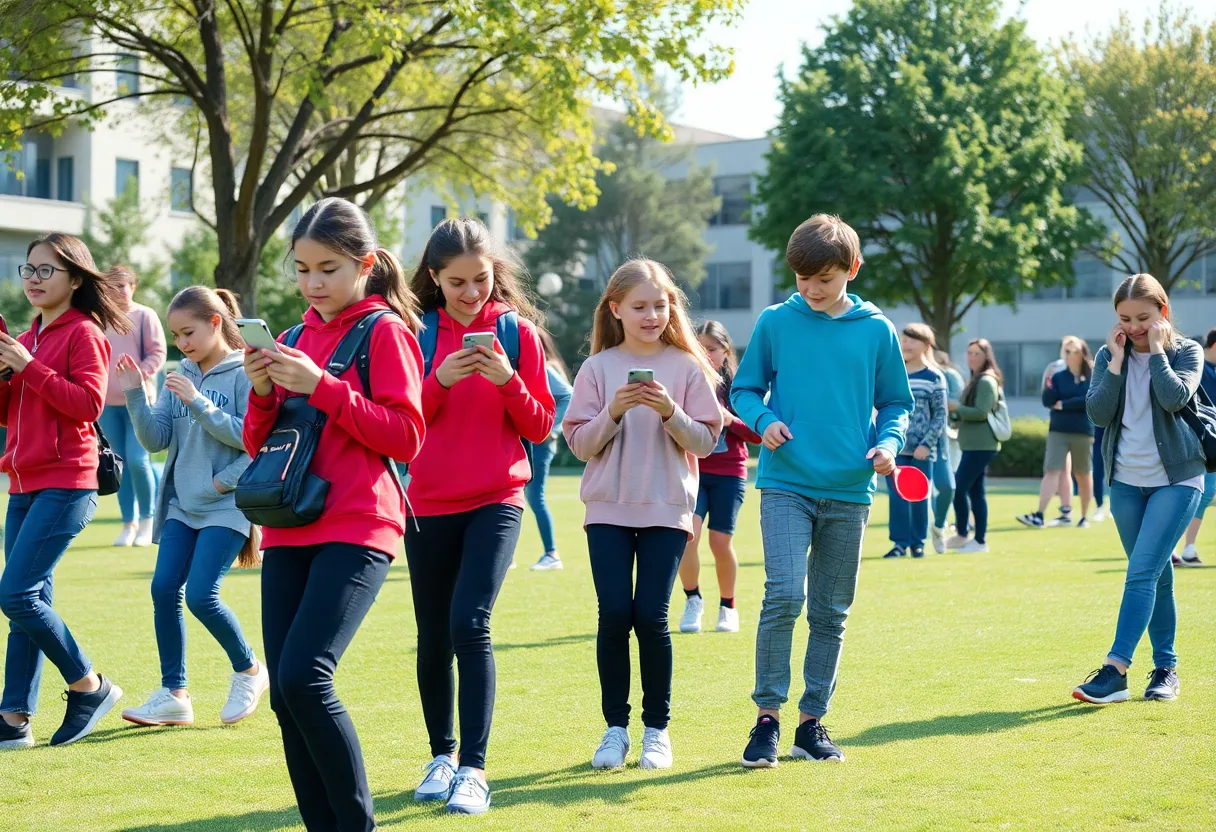
Loyola University Maryland introduces a pioneering ‘digital detox’ psychology course to help students reduce smartphone dependency. Led by psychologist Shreya Hessler, the semester-long program incorporates activities like digital fasts and outdoor games. Students report improved sleep and reduced screen time, highlighting the course’s potential to enhance well-being and community engagement.
Baltimore, Maryland – In a creative initiative aimed at combating the pervasive reliance on digital technology, Loyola University Maryland has launched a groundbreaking “digital detox” psychology course. This semester-long program, spearheaded by practicing psychologist Shreya Hessler, focuses on equipping students with practical strategies to manage and diminish their smartphone dependency, a pressing concern among today’s youth.
This course emerges in a time when many Baltimore entrepreneurs and educators are recognizing the need for innovative approaches to student well-being. Reducing smartphone usage may not only enhance mental health but also foster deeper interpersonal connections and creative engagement among students. By encouraging young adults to step back from their devices, there lies potential for boosting community interaction and personal achievement—attributes that align with fostering a vibrant local economy.
Course Structure and Activities
The “digital detox” course is structured to blend theoretical instruction with experiential learning. Students participate in “digital fasts,” where they take breaks from specific applications or their phones for periods ranging from 24 to 48 hours. These fasts are complemented by engaging class activities such as outdoor games and hikes that promote interactions devoid of technological distractions. Such initiatives not only encourage physical activity but also enhance mindfulness and connection, key ingredients for holistic student development.
Student Experiences and Outcomes
Feedback from participants has illustrated significant benefits from the course. Many students have reported drastic reductions in their screen time. For instance, one student estimated that he would have spent an astonishing 32 years of his life on his phone; through the course, he managed to reduce this projection to 24 years. Additionally, participants have noted improvements in sleep quality, which is crucial for academic performance, alongside a renewed interest in offline hobbies and activities. These findings indicate that initiatives like this could play a vital role in promoting healthier lifestyle choices among Maryland’s youth.
Broader Implications and Future Plans
The introduction of the digital detox course addresses broader societal issues related to digital addiction, particularly among young adults. Excessive screen time is linked to various concerns, including diminished focus, poor sleep patterns, and challenges in emotional regulation. Recognizing these negative trends, the course aims to serve as a model for other universities to follow. Hessler plans to offer the course again in the following fall semester, where she intends to gather quantitative data on students’ technology usage to refine the curriculum further, potentially broadening its reach to more university students in Maryland.
Background Context
This initiative is part of Loyola University Maryland’s broader commitment to enhancing student well-being. The institution provides a range of supportive services through its Counseling Center, focusing on mental health and personal growth. Through workshops and support groups, the university fosters an environment conducive to personal achievement and resilience, essential factors in a thriving academic community.
Conclusion
The “digital detox” course at Loyola University Maryland represents an innovative stride toward addressing the challenges posed by our increasingly digital lives. With the potential to enhance student well-being and engagement in Baltimore’s local economy, such initiatives deserve recognition and support. As we observe the positive impacts of reducing screen time, let us encourage similar innovative programs within our community that promote entrepreneurial spirit and human connection.
Frequently Asked Questions
What is the ‘digital detox’ psychology course at Loyola University Maryland?
The ‘digital detox’ psychology course is a semester-long program led by practicing psychologist Shreya Hessler, designed to help students reduce their smartphone dependency through theoretical learning and practical exercises.
What activities are included in the ‘digital detox’ course?
The course includes digital fasts, where students abstain from specific apps or their phones for 24 to 48 hours, and class activities such as outdoor games and hikes without devices to promote face-to-face interactions and mindfulness.
What outcomes have students reported from the ‘digital detox’ course?
Students have reported significant reductions in screen time, with one student decreasing his projected phone usage from 32 to 24 years, and others experiencing improvements in sleep quality and increased engagement in offline activities.
What are the broader implications of the ‘digital detox’ course?
The course addresses concerns about digital addiction among young adults, which can affect focus, sleep, and emotional regulation, and aims to provide a model for other universities to implement similar programs.
What other support does Loyola University Maryland offer for student well-being?
The university offers various workshops and support groups through its Counseling Center, focusing on mental health and personal development, including programs like Mindful Self-Care and Solace.
| Key Feature | Description |
|---|---|
| Course Name | Digital Detox Psychology Course |
| Instructor | Shreya Hessler, practicing psychologist |
| Duration | Semester-long |
| Activities | Digital fasts, outdoor games, device-free hikes |
| Student Outcomes | Reduced screen time, improved sleep quality, increased offline engagement |
| Future Plans | Offer course again next fall, collect data, develop broader curriculum |
Deeper Dive: News & Info About This Topic
HERE Resources
Digital Detox Class at Loyola University Maryland Tackles Phone Dependency

Author: STAFF HERE BALTIMORE WRITER
The BALTIMORE STAFF WRITER represents the experienced team at HEREBaltimore.com, your go-to source for actionable local news and information in Baltimore, Baltimore County, and beyond. Specializing in "news you can use," we cover essential topics like product reviews for personal and business needs, local business directories, politics, real estate trends, neighborhood insights, and state news affecting the area—with deep expertise drawn from years of dedicated reporting and strong community input, including local press releases and business updates. We deliver top reporting on high-value events such as the Baltimore Book Festival, Preakness Stakes, and Artscape. Our coverage extends to key organizations like the Baltimore Chamber of Commerce and Visit Baltimore, plus leading businesses in shipping and healthcare that power the local economy such as the Port of Baltimore and Johns Hopkins Medicine. As part of the broader HERE network, we provide comprehensive, credible insights into Maryland's dynamic landscape.