

How to Effectively Research Baltimore’s Real Estate Listings: A First-Time Buyer’s Guide for Baltimore MD
Introduction
Entering the Baltimore real estate market as a first-time buyer can be an overwhelming experience. With a diverse array of neighborhoods, property types, and market conditions, conducting thorough research is crucial. Effective research not only helps identify opportunities but also minimizes risk, ensuring a sound investment. This guide outlines systematic strategies to navigate Baltimore’s real estate listings with confidence, emphasizing clarity, objectivity, and focus on the most relevant information.
Understanding Baltimore’s Real Estate Market Landscape
Market Overview
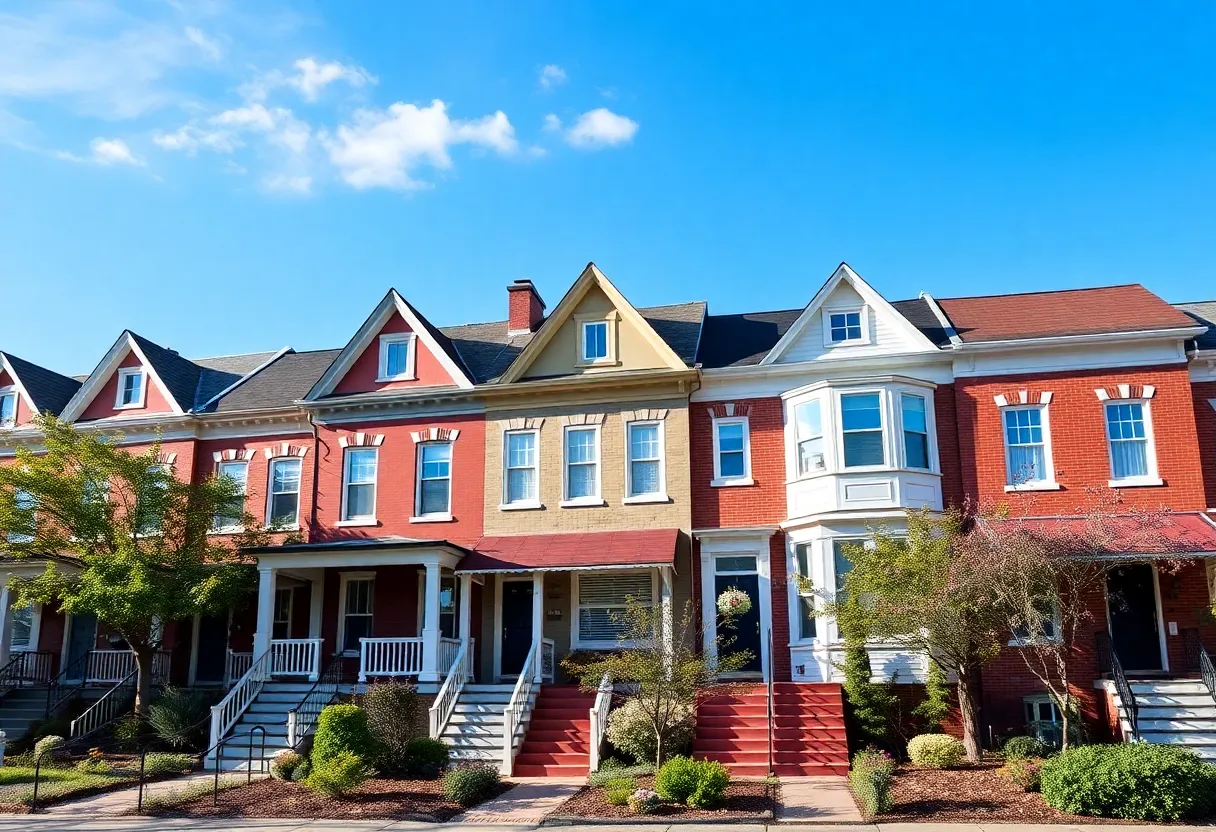
Baltimore offers a broad spectrum of housing options, from historic rowhouses to modern condominiums and suburban single-family homes. Knowledge of the current market trends, such as average sale prices, inventory levels, and time-on-market, is fundamental. Recognize that market dynamics fluctuate based on economic conditions, seasonality, and neighborhood-specific factors.
Neighborhood Profiles
Different neighborhoods cater to varied lifestyles and budgets. For example, areas like *Federal Hill* and *Inner Harbor* tend to be more expensive, appealing to urban professionals. Contrastingly, neighborhoods like *Brooklyn* or *Overlea* may offer more affordable options with diverse amenities. Familiarize yourself with factors such as neighborhood safety, future development plans, school quality, and transport accessibility.
Core Steps for Researching Baltimore’s Listings Effectively
1. Define Your Housing Needs and Budget
Before diving into listings, establish clear criteria: desired property type, size, number of bedrooms and bathrooms, preferred neighborhoods, and budget limits. Use this as a reference point to filter options and avoid being overwhelmed by irrelevant listings.
2. Use Reliable, Up-to-Date Listing Platforms
Focus on well-maintained platforms that offer current data, with comprehensive filters. While various platforms exist, ensure the listing information is accurate and frequently updated to reflect market realities.
Key features to note:
- Price History: Track previous sale prices to understand market trends.
- Listing Age: How long the property has been on the market can indicate market trends or pricing issues.
- Photos and Virtual Tours: Offer insights into the property’s condition and layout without visiting physically.
3. Analyze Property Details Meticulously
Each listing should be examined for critical specifics:
- Property Size: Compare listed square footage to similar properties to gauge fairness.
- Condition and Age: Newer homes may require less immediate maintenance but often come at a premium.
- Features: Note upgrades, outdoor spaces, parking, and other amenities that add value.
Scrutinize descriptions and verify that listed features align with photos and disclosures. Beware of potential discrepancies that might warrant further investigation.
4. Neighborhood Research Beyond Listings
Listings are just a starting point. For comprehensive understanding, perform neighborhood-specific research:
- Crime Rates: Access local crime statistics to assess safety.
- School Districts: Evaluate proximity and ratings if education is a priority.
- Development Trends: Investigate any upcoming projects or zoning changes that could influence property values.
- Transport Links: Assess accessibility to key routes, public transit, and commute times.
This layered approach provides context, helping determine if a listing matches your lifestyle and investment goals.
Utilizing Data and Tools for In-Depth Research
1. Market Data Analysis
Examine recent sales data to understand price trends, average days on market, and the ratio of list to sale price. These metrics inform you about bargaining power and current market competitiveness.
2. Comparative Market Analysis (CMA)
Request or conduct a CMA to compare similar properties. A well-executed CMA reveals whether a listing is fairly priced considering recent sales and neighborhood standards.
3. Use Mapping Tools and GIS Data
Employ geographic information systems (GIS) tools to visualize property location, neighborhood boundaries, and spatial data. Analyze proximity to amenities, employment centers, parks, and transport hubs for holistic understanding.
4. Review Property History and Disclosures
Investigate the property’s history, including prior sales, renovations, and disclosures. This background can illuminate issues like renovation quality, historical maintenance, or potential future problems.
Interpreting Listings and Negotiating Terms
Effective research involves not just finding listings but understanding their context in the market:
- Identify properties that match your research findings in pricing and condition.
- Recognize signs of overpricing or market-weakness, such as reduced prices or extended days on market.
- Approach negotiations armed with data—comparable sales and market trends—to support your offer.
Additional Considerations for First-Time Buyers
In Baltimore, some additional factors may influence your research:
- Check for special assessments or liens that could affect ownership costs.
- Identify local incentives or grants for first-time buyers.
- Understand zoning laws and future development plans that could enhance or diminish property value.
Final Thoughts: The Path to a Well-Informed Purchase
Comprehensive research is a cornerstone for successful first-time homebuyers in Baltimore. Focus on accuracy, updated data, and a thorough understanding of neighborhood nuances. Use all available tools and stay disciplined in filtering listings. Remember, patience and due diligence are vital in aligning your expectations with market realities.
By adhering to structured research strategies, you will position yourself to make a confident, informed decision**—a fundamental step toward securing a property that truly meets your needs and supports your investment goals in Baltimore.

Author: STAFF HERE BALTIMORE WRITER
The BALTIMORE STAFF WRITER represents the experienced team at HEREBaltimore.com, your go-to source for actionable local news and information in Baltimore, Baltimore County, and beyond. Specializing in "news you can use," we cover essential topics like product reviews for personal and business needs, local business directories, politics, real estate trends, neighborhood insights, and state news affecting the area—with deep expertise drawn from years of dedicated reporting and strong community input, including local press releases and business updates. We deliver top reporting on high-value events such as the Baltimore Book Festival, Preakness Stakes, and Artscape. Our coverage extends to key organizations like the Baltimore Chamber of Commerce and Visit Baltimore, plus leading businesses in shipping and healthcare that power the local economy such as the Port of Baltimore and Johns Hopkins Medicine. As part of the broader HERE network, we provide comprehensive, credible insights into Maryland's dynamic landscape.