

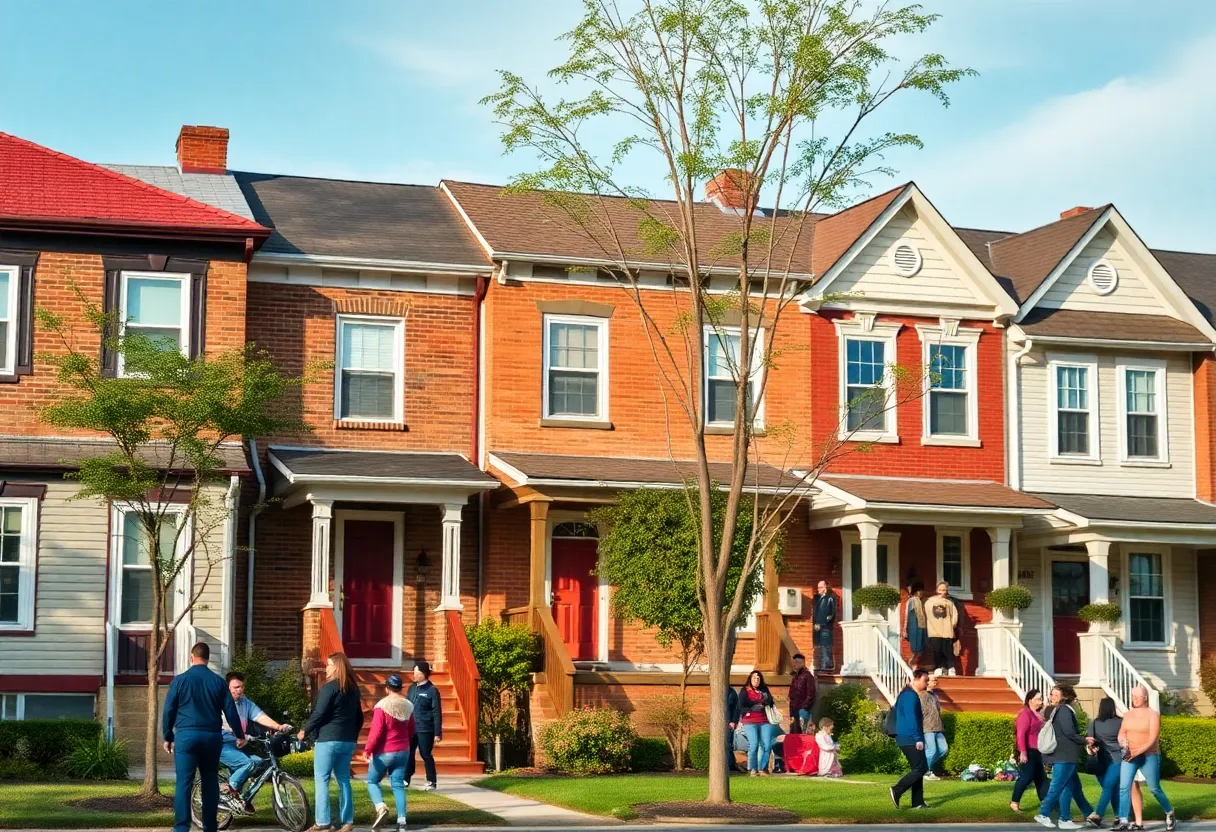
How to Effectively Research Baltimore’s Real Estate Listings: A First-Time Buyer’s Guide for Baltimore MD
Introduction
Navigating the real estate market in Baltimore, Maryland, can be a complex and overwhelming process for first-time buyers. With a diverse range of neighborhoods, property types, and market conditions, it is crucial to approach your search methodically. Effective research is the foundation of a successful purchase, enabling you to make informed decisions and secure the best possible deal. This guide provides a comprehensive framework to help first-time buyers research Baltimore’s real estate listings efficiently and confidently.
Understanding the Baltimore Real Estate Market
Market Dynamics and Historical Trends
Before delving into specific listings, it is essential to grasp the overall market dynamics in Baltimore. The city exhibits a mix of historic neighborhoods and rapidly developing areas, with fluctuations impacted by economic factors, urban renewal projects, and demographic shifts. Historically, Baltimore’s real estate values have experienced steady growth, with certain neighborhoods outperforming others based on amenities, transportation, and community development. Recognizing these trends helps you identify emerging hotspots and avoid oversaturated markets.
Current Market Conditions
Stay informed about the current market conditions, including median listing prices, average days on market, and inventory levels. A seller’s market often features low inventory and rising prices, demanding quick decision-making and potentially competitive bidding. Conversely, a buyer’s market offers more negotiability and time for research. Recognizing where Baltimore stands can shape your approach and expectations.
Defining Your Homeownership Goals
Determine Your Priorities
Clearly identify what you’re seeking in a property. Consider factors such as budget, desired neighborhood, property type, and must-have features. Are you aiming for a historic rowhouse, a modern condo, or a single-family home? Establishing these criteria narrows your search and aligns your research with realistic options.
Assessing Your Financial Situation
Understand your financing options and set a realistic budget. Include considerations for down payment, closing costs, ongoing maintenance, and property taxes. Consult with mortgage professionals to understand your eligibility and pre-approval process. Having a clear financial picture directs your research toward listings within your capacity and helps avoid future financial strain.
Accessing Reliable Real Estate Listings
Major Listing Platforms
Use reputable and comprehensive platforms that aggregate Baltimore listings. These sources are updated frequently and offer filters to refine searches based on location, price, property type, and features. Prioritize platforms that provide detailed descriptions, high-quality photos, and virtual tours. These tools save time and provide a clear picture of available properties.
Engaging Local Real Estate Agents
Partnering with a licensed local agent provides insider knowledge and early access to new listings. Agents understand neighborhood nuances, market conditions, and upcoming opportunities often before they appear online. Their expertise is invaluable in navigating competitive bidding and negotiating deals.
Setting Up Alerts and Notifications
Many platforms and agents offer customized alerts for new listings matching your criteria. Automated notifications ensure you remain informed about the latest opportunities without constant manual checking—vital in a fast-moving market.
Researching Neighborhoods Effectively
Analyzing Neighborhood Data
Gather detailed information about Baltimore’s neighborhoods. Focus on median home prices, recent sales history, pricing trends, and inventory turnover. Use city data and local reports to understand price stability, growth potential, and market saturation within specific areas.
Understanding Community Characteristics
Evaluate amenities, schools, safety statistics, and transit options. Neighborhoods with strong amenities and good schools often maintain higher property values. Consider proximity to employment hubs, parks, and cultural attractions aligned with your lifestyle.
Investigating Future Developments
Research planned infrastructure projects, commercial developments, and zoning changes. These factors influence long-term property value and neighborhood growth. An area slated for revitalization or new amenities can offer investment opportunities and enhanced living quality.
Evaluating Property Listings in Depth
Scrutinizing Property Details
Carefully review listing descriptions for accurate information about property size, age, condition, and renovations. Cross-reference details with inspection reports and floor plans when available. Be wary of listings with vague descriptions or inconsistent information.
Assessing Visual Content
High-quality photos and virtual tours provide insight into property condition, layout, and natural lighting. Analyze images to identify potential issues such as signs of wear, water damage, or structural concerns.
Estimating Property Value and Market Comparison
Compare the listing price to recent nearby sales. Use comparable sales data (comps) to assess whether a listing is fairly priced. An understanding of price per square foot and pricing trends helps in making competitive offers.
Conducting Neighborhood and Property Due Diligence
Reviewing Public Records and Zoning
Access public records for ownership history, tax assessments, and zoning restrictions. These documents reveal potential liens, future development restrictions, or special assessments that may affect property value or usability.
Evaluating Property Condition
Schedule inspections for structural integrity, electrical systems, plumbing, and HVAC. A professional inspection uncovers hidden issues that might justify price negotiations or renovation plans.
Understanding Homeowner Associations (HOAs)
If applicable, review HOA documents, fees, rules, and restrictions. HOAs influence property maintenance costs and community regulations. Ensure these align with your preferences and budget.
Making Data-Informed Decisions
Balancing Price and Value
Prioritize properties that meet your needs within your budget. Avoid overpaying based on emotional attachment. Use data from market analysis and comparables to support your decision.
Timing Your Offer
Consider market conditions, property demand, and how long a listing has been active. Strategic timing can lead to more favorable terms or less competition.
Preparing a Strong Offer
Draft an offer supported by market data and property condition insights. Include contingencies that protect your interests yet remain competitive.
Summary and Final Tips
Effective research combines a thorough understanding of Baltimore’s market, strategic analysis of neighborhoods, and meticulous assessment of individual listings. Maintain focus on core facts, current market conditions, and your personal goals. Leverage expert assistance when appropriate and stay disciplined throughout your search process.
By following these structured steps, first-time buyers can navigate Baltimore’s real estate listings with confidence, minimize risks, and maximize their chances of acquiring a property that truly meets their needs.

Author: STAFF HERE BALTIMORE WRITER
The BALTIMORE STAFF WRITER represents the experienced team at HEREBaltimore.com, your go-to source for actionable local news and information in Baltimore, Baltimore County, and beyond. Specializing in "news you can use," we cover essential topics like product reviews for personal and business needs, local business directories, politics, real estate trends, neighborhood insights, and state news affecting the area—with deep expertise drawn from years of dedicated reporting and strong community input, including local press releases and business updates. We deliver top reporting on high-value events such as the Baltimore Book Festival, Preakness Stakes, and Artscape. Our coverage extends to key organizations like the Baltimore Chamber of Commerce and Visit Baltimore, plus leading businesses in shipping and healthcare that power the local economy such as the Port of Baltimore and Johns Hopkins Medicine. As part of the broader HERE network, we provide comprehensive, credible insights into Maryland's dynamic landscape.