
How to Effectively Research Baltimore’s Neighborhoods to Find Your Perfect First Home
Finding the ideal first home in Baltimore, MD can be a complex process. The city offers a diverse array of neighborhoods, each with unique characteristics, amenities, and lifestyles. Effective research is essential to identify a neighborhood that aligns with personal needs and financial goals. This guide provides a comprehensive approach to evaluating Baltimore’s neighborhoods thoroughly and efficiently.
Understanding the Importance of Neighborhood Research
Choosing a neighborhood isn’t solely about picking a location that looks appealing. It requires understanding various factors that influence daily life, property value, and future growth potential. Well-informed research minimizes surprises and ensures your investment matches your lifestyle and financial expectations.
Develop Clear Homeownership Goals
Before diving into neighborhood specifics, articulate your homeownership goals. Consider:
- Budget: What is your maximum purchase price?
- Type of Home: Are you interested in condos, townhomes, or single-family houses?
- Future Plans: Is this home for long-term residence or investment?
- Location Preferences: Close to work, schools, parks, or cultural sites?
Clarifying these parameters directs your research and narrows down options effectively.
Researching Neighborhood Demographics and Community Profiles
Population and Diversity
Start by examining demographic data. Understand the population size, age distribution, cultural diversity, and household types. Neighborhoods with demographics aligning with your lifestyle—such as family-oriented areas or vibrant urban communities—are more likely to meet your needs.
Community Engagement
Explore community activities, neighborhood associations, and events. Active community involvement often correlates with neighborhood stability and safety.
Analyzing Crime and Safety Patterns
Crime Data Trends
Access crime statistics for each neighborhood. Focus on crime rates, types of offenses, and recent trends. Prioritize neighborhoods with low or declining crime rates to ensure safety and peace of mind.
Local Law Enforcement and Safety Measures
Investigate community policing efforts, neighborhood watch programs, and street lighting. These elements contribute to overall safety and should influence your neighborhood choice.
Evaluating Schools and Educational Resources
Even if you do not have children, quality schools can elevate property values. Review school district rankings, test scores, and enrollment statistics. Neighborhoods with highly-rated educational institutions often experience more robust economic stability.
Assessing Transportation and Commute Accessibility
Determine access to public transportation, major highways, and commute times. Consider proximity to your workplace, the availability of transit options, and walkability scores. Efficient transportation options significantly enhance daily convenience and quality of life.
Reviewing Housing Stock and Market Trends
Housing Types and Architectural Styles
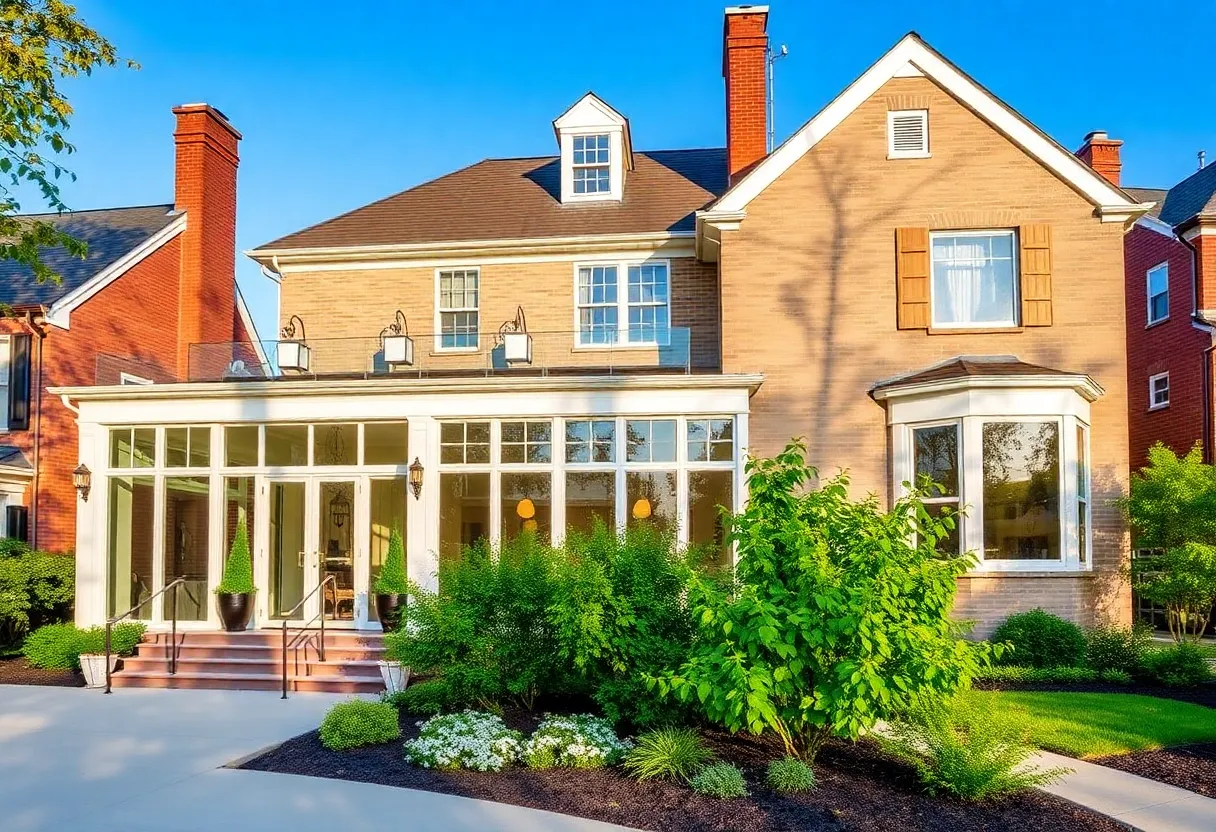
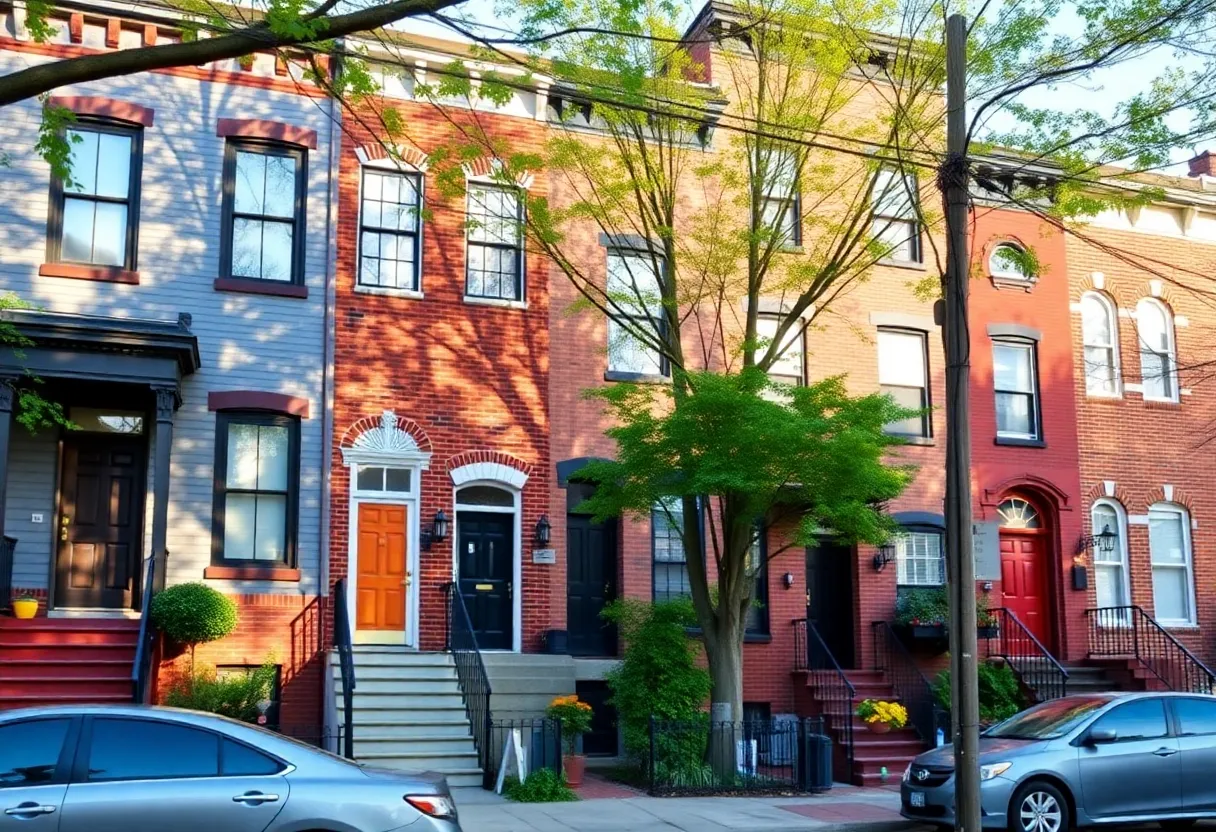
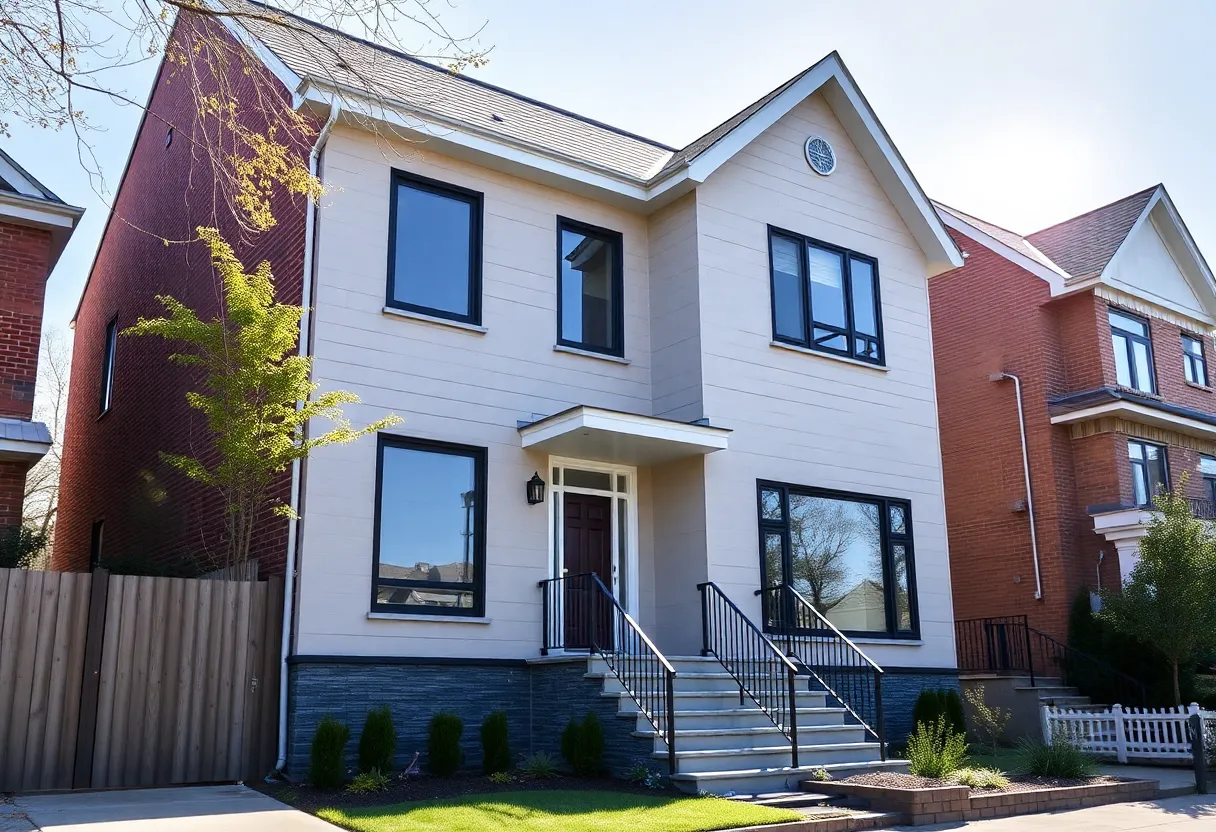
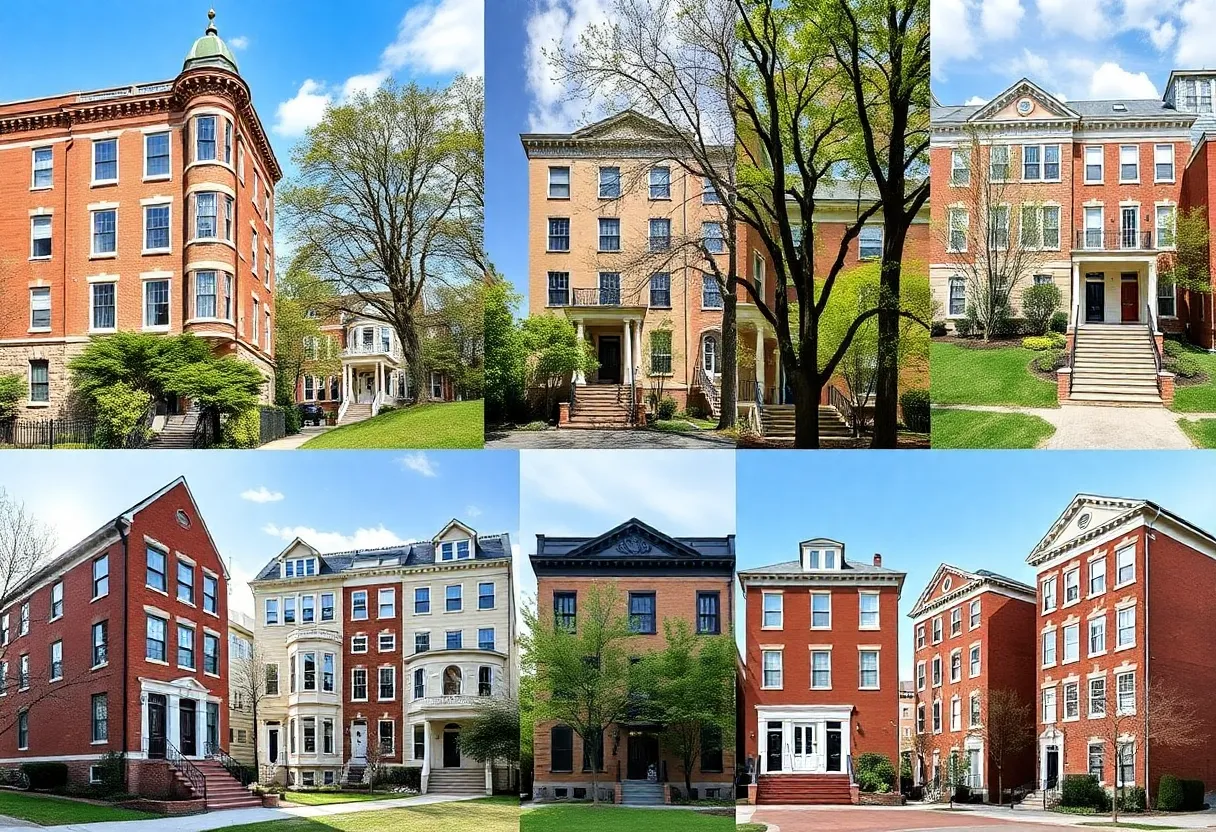
Identify the prevalent housing types—rowhouses, condominiums, single-family homes—and their condition. Newer developments vs. historic homes may influence both affordability and maintenance requirements.
Market Dynamics and Pricing Trends
Research historical property prices, appreciation rates, and inventory levels. Recognize neighborhoods with consistent growth potential. Understanding market dynamics helps set realistic expectations and inform when to buy.
Investigating Local Economy and Future Development
Assess the neighborhood’s economic vitality. Look for signs of commercial development, new infrastructure projects, and business investments. Areas experiencing growth may offer increased property value appreciation and enhanced amenities.
Exploring Amenities and Lifestyle Features
- Parks and Recreation: Access to green spaces, trails, and community centers enriches lifestyle options.
- Restaurants, Shops, and Entertainment: Vibrant commercial districts contribute to neighborhood appeal.
- Healthcare Facilities: Proximity to hospitals and clinics ensures ease of access for health needs.
Utilizing Data Sources and Tools
Employ various sources to collect accurate information:
- Local government websites and planning offices: For zoning laws, development plans, and crime data.
- Real estate listings and market reports: To gauge property availability and pricing trends.
- Public transportation agencies: Maps, schedules, and service updates.
- Community forums and social media groups: For neighborhood insights and resident experiences.
Conducting Site Visits and Neighborhood Walkthroughs
Research should be complemented by physical visits. Observe:
- Street-level conditions: Maintenance, cleanliness, and traffic flow.
- Local amenities: Shops, parks, and transit stops.
- Community Atmosphere: Overall feel, noise levels, and resident interactions.
This firsthand experience confirms whether a neighborhood aligns with your expectations.
Engaging with Local Real Estate Experts
Partner with seasoned real estate agents familiar with Baltimore’s neighborhoods. They provide valuable insights, access to up-to-date listings, and guidance through negotiations. Their knowledge complements personal research and helps identify neighborhoods that often go under the radar.
Considering Future Growth and Investment Potential
Evaluate long-term prospects by analyzing planned developments, infrastructure upgrades, and economic trajectories. Neighborhoods positioned for growth typically show increased property values over time.
Assess zoning laws and land use policies that may influence future development, ensuring your investment remains sound.
Summary: A Systematic Approach to Neighborhood Research
Effective research involves a combination of data analysis, community exploration, and expert guidance. Prioritize gathering detailed, factual information on security, schools, transportation, housing, amenities, and market trends.
Maintain key information; avoid unnecessary filler or repetition. Focus on core facts. The goal is a balanced, comprehensive understanding of each neighborhood’s strengths and challenges.
Your readiness to make an informed decision depends on systematic, thorough investigation. This approach will lead you closer to finding your perfect first home in Baltimore and lay a foundation for satisfying homeownership.