

Detroit, Michigan, January 12, 2026
Henry Ford’s landmark achievement with the ‘999’ in 1904 marks a pivotal moment in automotive history. This record-setting vehicle showcased innovation, engineering prowess, and laid the groundwork for the future success of the Ford Motor Company. The story of the ‘999’ continues to inspire entrepreneurs and highlights the importance of a supportive business environment in fostering economic growth.
Reviving Innovation: The Legacy of Henry Ford’s “999” Record
A Look Back at an Iconic Moment in Automotive History
Detroit, Michigan, is not only famous for its role as the heart of the American automotive industry but also for its entrepreneurial spirit that continues to inspire innovation. One of the most remarkable moments in this ongoing narrative occurred over a century ago when Henry Ford achieved a historic land-speed record with his vehicle known as the “999.” This achievement, accomplished on January 12, 1904, not only highlighted Ford’s engineering capabilities but also paved the way for the success of the Ford Motor Company and its influential role in shaping the automotive landscape.
The story of the “999” serves as a testament to the resilience of entrepreneurs who, like Ford, are driven by a desire to push boundaries and explore new frontiers in their respective fields. As we reflect on this pivotal moment in history, it prompts us to think about how reduced regulations and supportive policies can create a nurturing environment for businesses today and stimulate economic growth.
The Record-Setting Journey of the “999”
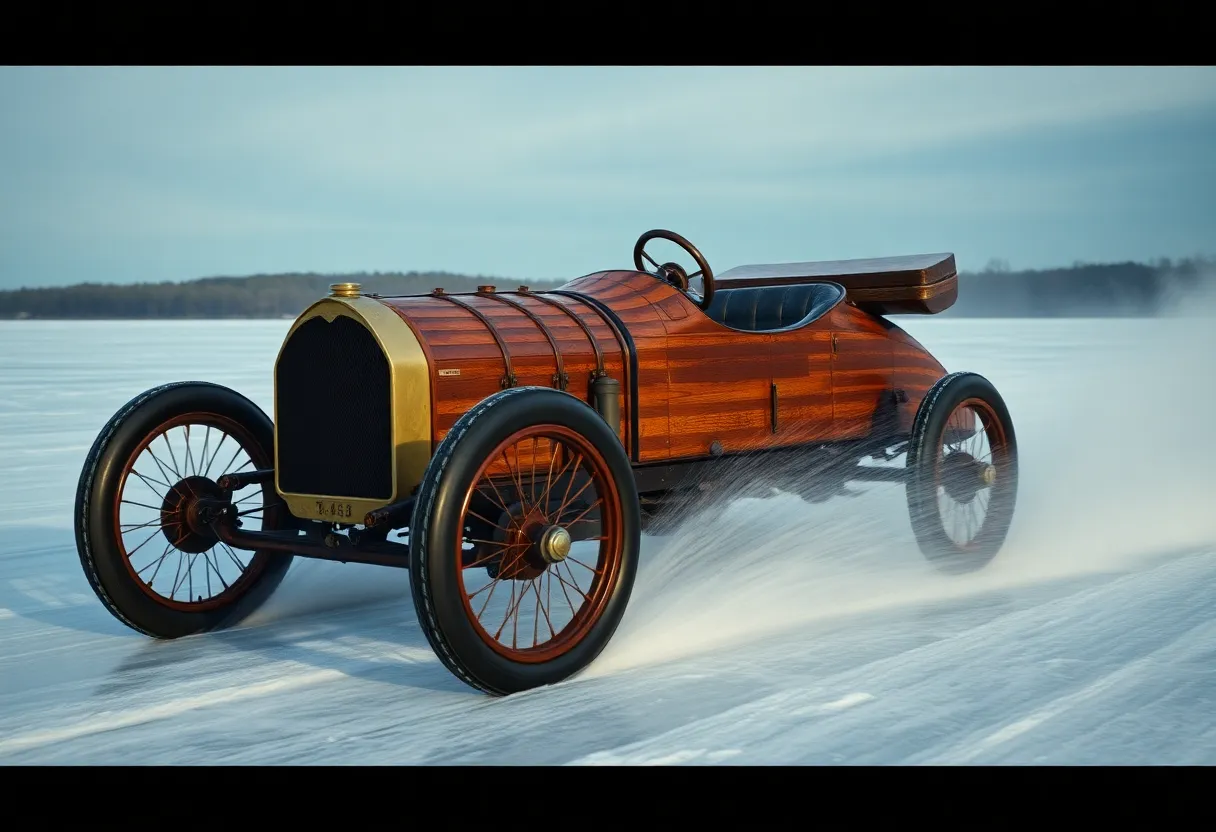
On that fateful day in January, Henry Ford piloted the “999,” a four-wheel vehicle with a wooden chassis but no body or hood, reaching a breathtaking speed of 91.37 miles per hour on the frozen surface of Lake St. Clair. The vehicle was a modified version of the “Arrow” racer, which Ford had acquired after a tragic crash in September 1903. He rehabilitated and re-engineered the “Arrow” into what is now known as the “999” for the purposes of this record attempt.
The Impact on Ford Motor Company
This incredible achievement provided significant publicity for the newly formed Ford Motor Company, which had been incorporated just a few months earlier, in June 1903. By showcasing the performance capabilities of his vehicle, Ford attracted the attention of potential investors and customers, laying the groundwork for the company’s future success and innovations, including the widely celebrated Model T, introduced in 1908.
Ford’s Short-Lived Record
While Ford’s record stood for only a few weeks before being surpassed by William K. Vanderbilt, who clocked in at 92.3 mph in a Mercedes-Simplex at Ormond Beach, Florida, the impact of Ford’s accomplishment was far-reaching. Despite the brevity of the record, it significantly bolstered Ford’s reputation in the automotive industry and illustrated the power of engineering and innovation in propelling businesses forward.
Significance in Automotive History
The “999” has since become a symbol of Ford’s determination and technical prowess, influencing the future of automotive engineering and racing. Beyond setting a record, it serves as a reminder of how innovative thinking and relentless pursuit can spark advancements and growth, a sentiment that continues to resonate with Maryland entrepreneurs today. A culture that fosters such attitudes can directly lead to economic revitalization, job creation, and a stronger local community.
Continuing the Legacy
Today, the legacy of the “999” and Henry Ford’s groundbreaking passion for speed and innovation is commemorated in various historical accounts and exhibits, allowing us to appreciate the significance of this event in the broader context of automotive innovation. As local entrepreneurs follow in Ford’s footsteps, engaging in technological advancements and creative problem-solving, we witness the benefits of an environment that encourages business development and supports economic growth.
As we celebrate the entrepreneurial spirit that Henry Ford exemplified, let us also recognize the need to support local businesses in Baltimore and across Maryland. By fostering innovation, minimizing unnecessary regulations, and providing support for startups, we can drive the region’s economy forward, creating opportunities for generations to come.
Frequently Asked Questions (FAQ)
What was the “999” vehicle?
The “999” was a four-wheel vehicle with a wooden chassis but no body or hood, driven by Henry Ford to set a land-speed record of 91.37 miles per hour on January 12, 1904, on the frozen surface of Lake St. Clair, northeast of Detroit.
How did the “999” achieve its record-breaking speed?
The “999” was a modified version of the “Arrow” racer, which had been involved in a fatal crash in September 1903. Ford purchased and repaired the vehicle, renaming it the “999” for this record attempt. The track was a one-mile ice course prepared on Lake St. Clair’s Anchor Bay, providing a smooth surface for the high-speed run.
What impact did this record have on Ford Motor Company?
This record-breaking event garnered significant publicity for the newly formed Ford Motor Company, which had been incorporated in June 1903. The achievement demonstrated the performance capabilities of Ford’s vehicles and attracted attention from potential investors and customers.
Who surpassed Ford’s record?
The record stood for only a few weeks, being surpassed by William K. Vanderbilt, who reached 92.3 mph in a Mercedes-Simplex at Ormond Beach, Florida, on January 27, 1904. Despite the brief duration of the record, Ford’s accomplishment was instrumental in establishing the company’s reputation in the automotive industry.
What was the significance of the “999” in automotive history?
The “999” itself became a symbol of Ford’s engineering prowess and determination. Its design and performance influenced future automotive developments, contributing to the evolution of car manufacturing and racing.
Key Features of the “999” Record-Breaking Event
| Feature | Description |
|---|---|
| Vehicle | The “999,” a four-wheel vehicle with a wooden chassis but no body or hood, driven by Henry Ford. |
| Record Achieved | Land-speed record of 91.37 miles per hour on January 12, 1904, on the frozen surface of Lake St. Clair, northeast of Detroit. |
| Location | Lake St. Clair, northeast of Detroit, Michigan. |
| Duration of Record | Record stood for only a few weeks, being surpassed by William K. Vanderbilt on January 27, 1904. |
| Impact on Ford Motor Company | Significant publicity for the newly formed company, demonstrating vehicle performance and attracting investors. |
| Significance in Automotive History | Symbol of Ford’s engineering prowess and determination, influencing future automotive developments. |
Deeper Dive: News & Info About This Topic
HERE Resources