
Baltimore, MD, December 29, 2025
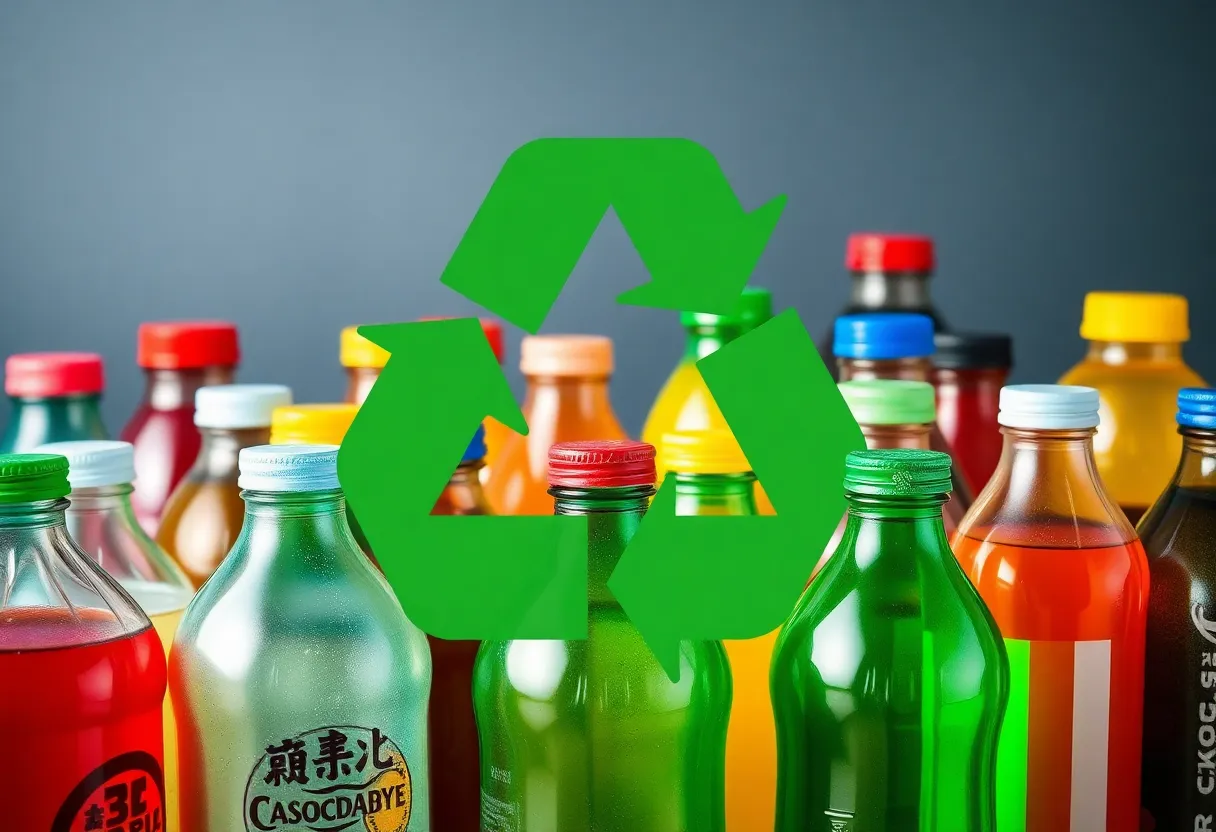
Activists in Maryland are renewing their efforts to implement a beverage container deposit program, known as a bottle bill, after unsuccessful attempts in recent years. The proposed legislation aims to reduce litter and boost recycling rates by introducing a deposit of 10 to 15 cents on beverage containers, which would be refunded upon return. Advocates highlight environmental benefits, including decreased plastic pollution and job creation, while facing opposition from the beverage industry over concerns about costs and logistics.
Baltimore, MD: Maryland Activists Renew Efforts for Beverage Container Deposit Program
Maryland activists are intensifying their efforts to pass a beverage container deposit program, commonly known as a “bottle bill,” after previous attempts in 2019 and 2020 were unsuccessful. This initiative aims to reduce litter and increase recycling rates by implementing a refundable deposit on beverage containers.
Proposed Legislation Details
The proposed legislation, Senate Bill 346 and House Bill 232, seeks to establish a self-financed program that places a deposit of 10 to 15 cents on glass, plastic, and metal beverage containers. Consumers would receive a refund upon returning these containers to designated retailers or redemption facilities. The program is designed to be budget-neutral for the state, with funding sourced from producer fees, the sale of raw materials, unclaimed deposits, and penalties. The Maryland Department of the Environment (MDE) would oversee the program, ensuring compliance and effective operation.
Environmental and Economic Benefits
Advocates highlight several key benefits of the proposed program:
- Reduction in Beverage Container Litter and Plastic Pollution: The program aims to remove approximately 3.6 billion additional beverage containers annually, including 2.3 billion plastic bottles, diverting at least 236,000 tons of plastic, aluminum, and glass containers from the environment.
- Increased Recycling Rates: Drawing from successful models in other states, a 10-cent deposit is projected to achieve a 90% redemption rate for covered beverage containers, compared to the current recovery rate of about 25% in Maryland.
- Enhanced Recycling Content for New Containers: The program is expected to generate significant amounts of recyclable materials, including aluminum, PET plastic, HDPE plastic, and glass, contributing to the production of new containers with high-quality, food-grade recycled content.
- Reduction of Greenhouse Gas Emissions: By decreasing the production of new cans and bottles from virgin materials, the program would eliminate approximately 231,717 metric tons of CO2 equivalent annually, equivalent to removing the emissions of 50,000 cars.
- Job Creation: Increased recycling activities are anticipated to create five times more jobs in collection, sorting, and transportation compared to those generated by garbage collection, hauling, landfilling, or incineration.
Challenges and Industry Opposition
Despite the proposed benefits, the initiative faces opposition from the beverage industry, which argues that such programs can be costly and inefficient. Concerns include potential increases in consumer prices and logistical challenges for retailers. Additionally, the industry points to implementation difficulties experienced in other states with similar programs, such as California. The debate continues as stakeholders weigh the environmental advantages against economic considerations.
Context and Previous Attempts
Maryland has previously attempted to pass similar legislation in 2019 and 2020, but these efforts were unsuccessful. The current push reflects a renewed commitment to addressing environmental concerns related to beverage container waste. Advocates emphasize the importance of reducing litter and increasing recycling rates to protect Maryland’s waterways and natural resources.
Frequently Asked Questions (FAQ)
What is the proposed beverage container deposit program in Maryland?
The proposed program aims to establish a self-financed system where consumers pay a deposit of 10 to 15 cents on beverage containers, which is refunded upon returning the containers to designated retailers or redemption facilities. This initiative seeks to reduce litter and increase recycling rates in Maryland.
How would the program be funded?
The program is designed to be budget-neutral for the state, with funding sourced from producer fees, sale of raw materials, unclaimed deposits, and penalties. The Maryland Department of the Environment (MDE) would oversee the program, ensuring compliance and effective operation.
What are the expected environmental benefits of the program?
Advocates highlight several key benefits, including a significant reduction in beverage container litter and plastic pollution, increased recycling rates, enhanced recycling content for new containers, reduction of greenhouse gas emissions, and job creation in the recycling sector.
What challenges does the program face?
The initiative faces opposition from the beverage industry, which argues that such programs can be costly and inefficient. Concerns include potential increases in consumer prices and logistical challenges for retailers. Additionally, the industry points to implementation difficulties experienced in other states with similar programs, such as California.
Has Maryland attempted similar legislation before?
Yes, Maryland has previously attempted to pass similar legislation in 2019 and 2020, but these efforts were unsuccessful. The current push reflects a renewed commitment to addressing environmental concerns related to beverage container waste.
Key Features of the Proposed Beverage Container Deposit Program
| Feature | Description |
|---|---|
| Deposit Amount | 10 to 15 cents on glass, plastic, and metal beverage containers |
| Refund Process | Consumers receive a refund upon returning containers to designated retailers or redemption facilities |
| Funding Sources | Producer fees, sale of raw materials, unclaimed deposits, and penalties |
| Environmental Benefits | Reduction in litter and plastic pollution, increased recycling rates, enhanced recycling content for new containers, reduction of greenhouse gas emissions, and job creation in the recycling sector |
| Industry Opposition | Concerns about increased consumer prices and logistical challenges for retailers |
Deeper Dive: News & Info About This Topic
HERE Resources