
10 Essential Factors to Consider When Assessing the Value of Your First Home
Purchasing your first home is one of the most significant financial decisions you will make. Ensuring you understand what influences your property’s value can lead to smarter buying decisions and long-term financial stability. This article explores ten critical factors that every prospective homeowner should consider when evaluating the value of a property.
1. Location
Proximity to Amenities and Services
The location of a property remains the most influential factor in its valuation. Properties situated near essential amenities such as schools, hospitals, shopping centers, and public transportation tend to command higher prices. Accessibility influences daily convenience, impacting long-term desirability.
Neighborhood Quality
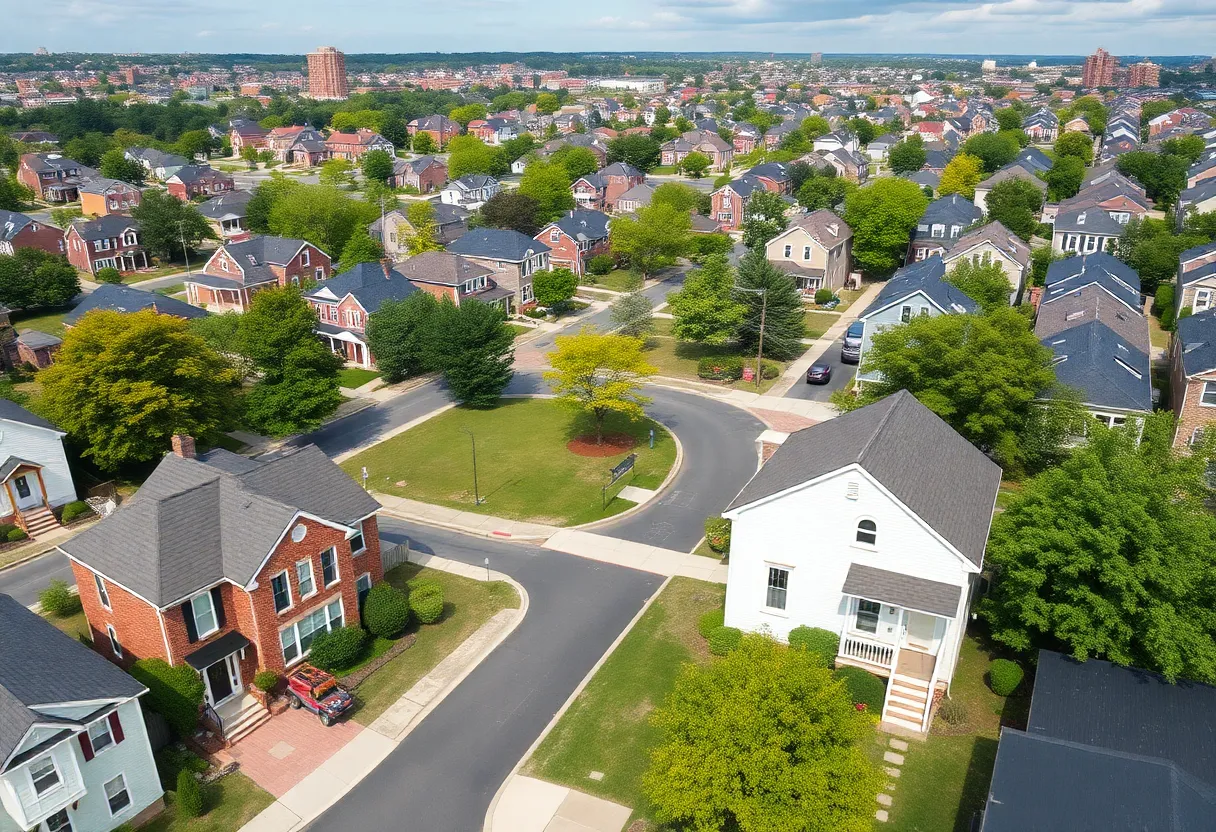
Neighborhood safety, maintenance, and community atmosphere directly impact property value. Well-maintained areas with low crime rates and active communities often see sustained or increased property values over time.
Future Development Plans
Assess potential for upcoming developments. Planned infrastructure projects like new transit lines, parks, or commercial zones can enhance property value. Conversely, proximity to undesirable developments can detract from it.
2. Property Condition and Age
Structural Integrity
A property with sound foundations, a solid roof, and no significant structural issues typically commands a higher value. Repairs or renovations needed can significantly reduce valuation unless adequately accounted for.
Age of the Property
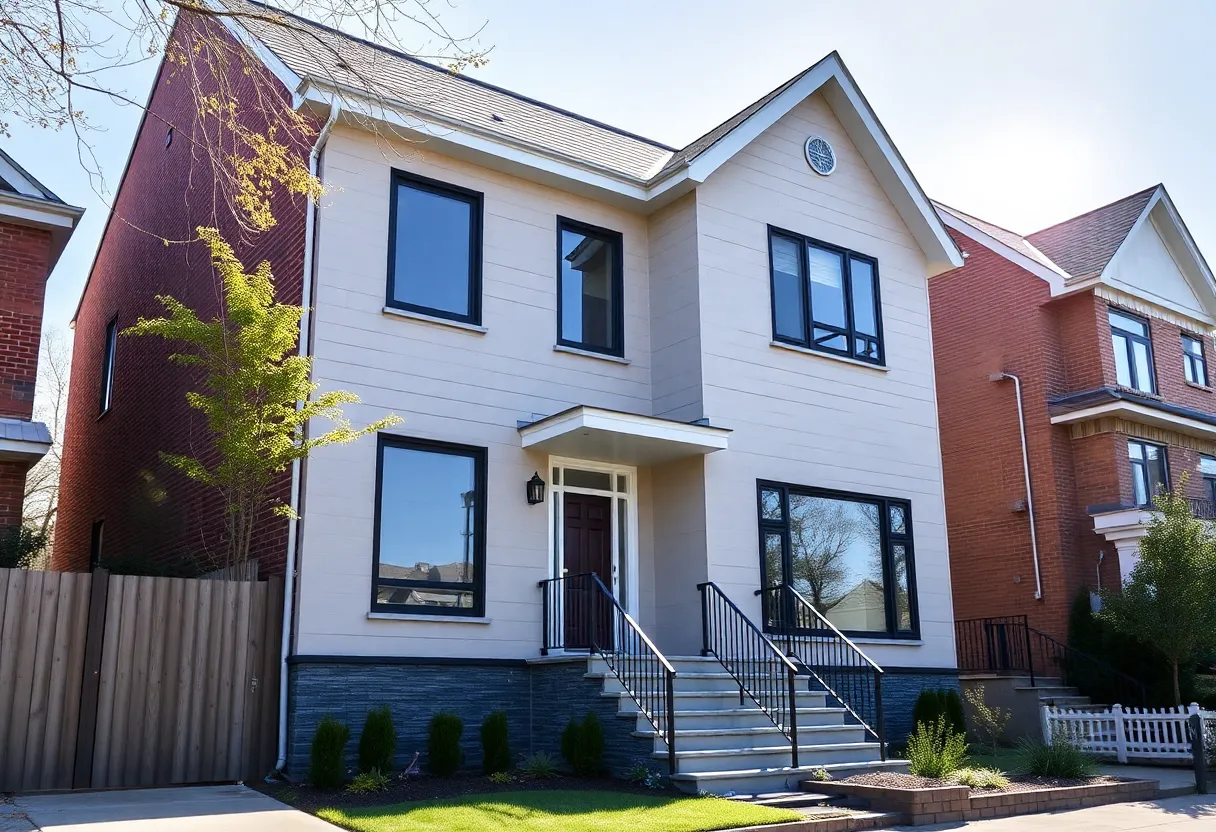
Newer homes often have modern standards and energy efficiencies, boosting value. Older homes may carry charm but could require upgrades, affecting their current and future worth.
Maintenance and Upkeep
Regular maintenance enhances a home’s appeal and value. Overgrown landscaping, deferred repairs, or outdated systems can negatively impact perceived worth and actual market price.
3. Market Conditions
Supply and Demand Dynamics
Real estate market cycles influence property values. In high-demand markets with limited supply, prices tend to rise. Conversely, a buyer’s market can depress prices and alter valuation.
Interest Rates
Lower mortgage interest rates can increase buyer activity, elevating property values. Rising rates might suppress demand, impacting valuation potential.
Economic Climate
broader economic stability, employment rates, and inflation influence real estate values. A robust economy generally supports higher property prices.
4. Comparable Sales (Comparative Market Analysis)
Recent Property Transactions
Evaluating recent sales of similar property types within the same neighborhood provides a benchmark. These comparables help determine fair market value, ensuring your assessment reflects current market realities.
Price Per Square Foot
This metric offers a standardized way to compare different properties, helping to identify whether a home is valued appropriately relative to neighboring homes.
5. Size and Layout
Total Square Footage
Generally, larger homes command higher values. However, efficiency and usability of space are equally important. An optimally designed layout maximizes value regardless of size.
Room Configuration
Functional layouts with bedrooms, bathrooms, and common areas proportioned effectively improve the property’s appeal and perceived value.
Property Expansion Potential
Available land for future additions or renovation opportunities can significantly impact valuation, offering buyers the potential for growth.
6. Curb Appeal
Exterior Maintenance
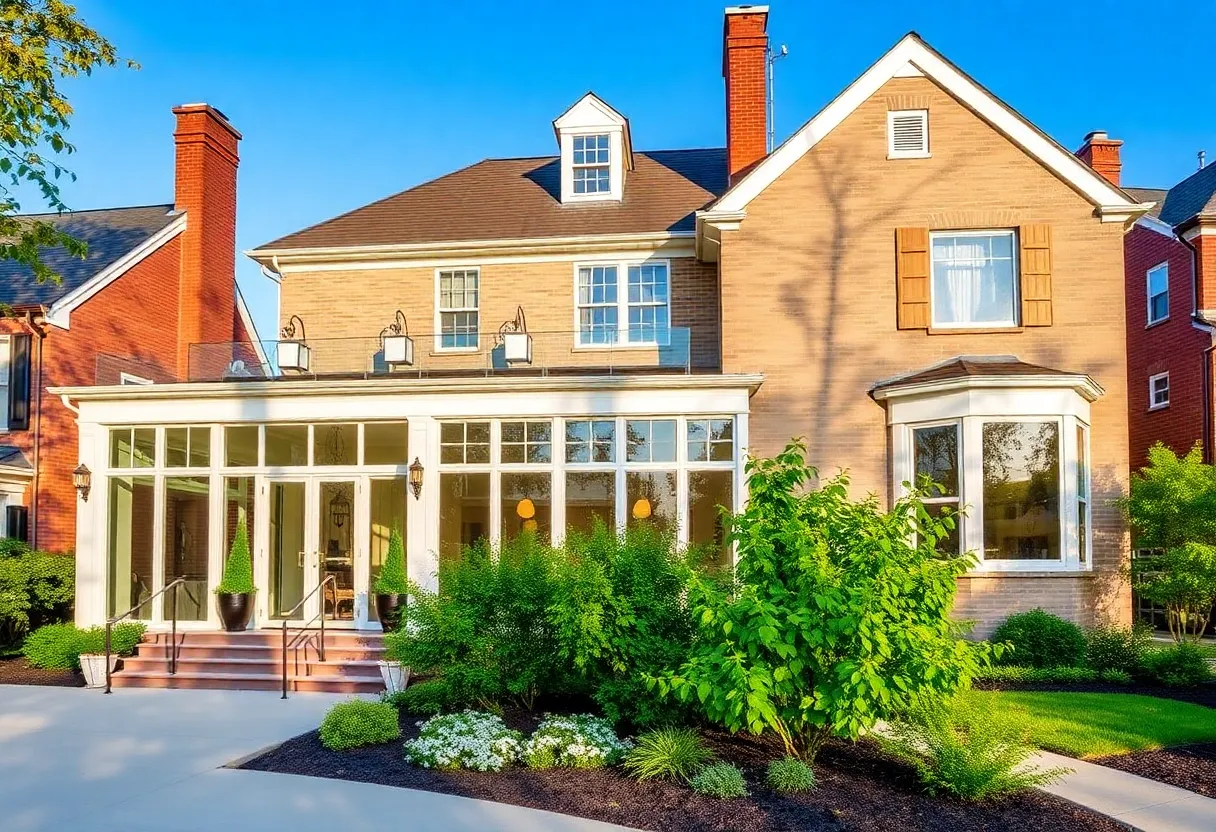
The initial visual impression influences perceptions of value. Well-kept landscaping, fresh paint, and clean façades suggest a high-value property.
Architectural Style
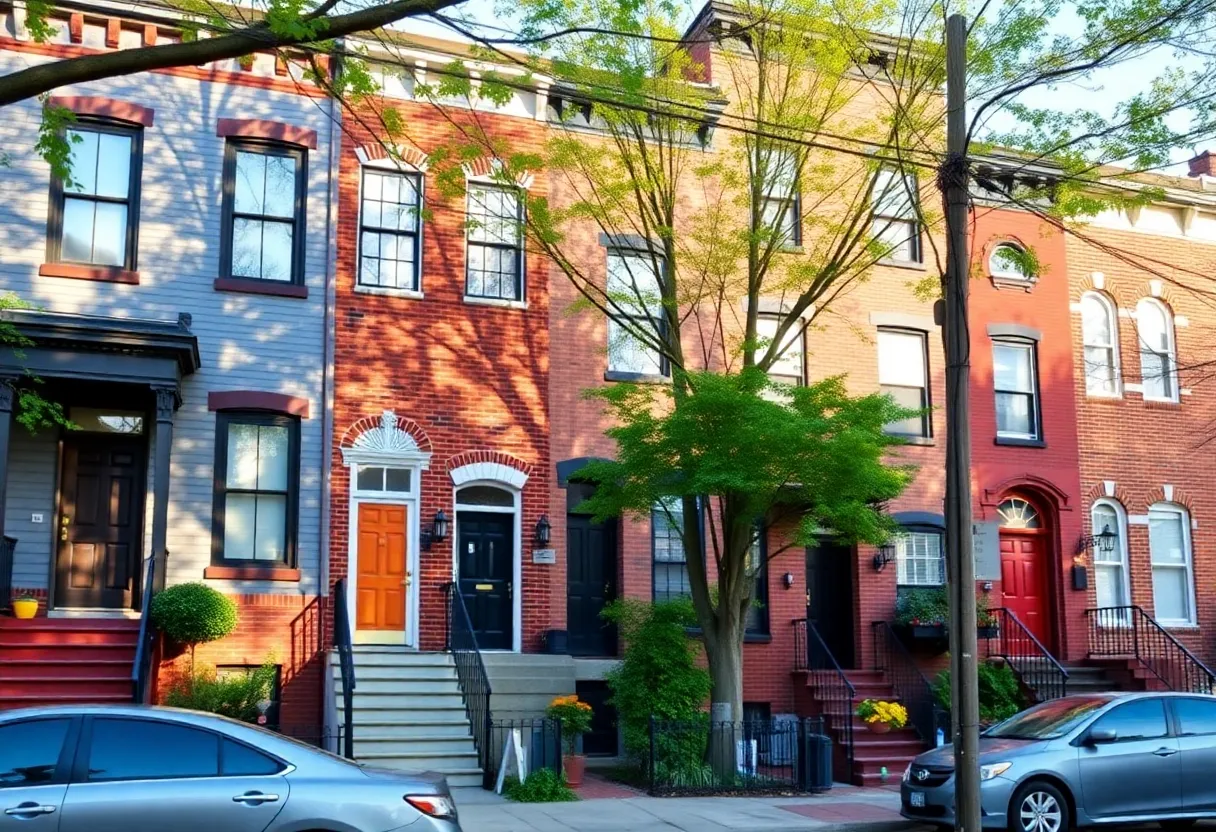
Timeless and unique architectural features often maintain or increase value. Style consistency with neighborhood trends also matters.
7. School District and Educational Opportunities
Properties located within reputable school districts generally have a higher valuation due to demand from families prioritizing education quality.
8. Regulatory and Zoning Factors
Zoning Restrictions
Understanding zoning laws ensures prospective buyers assess the potential for modifications like additions or conversions, influencing overall value.
Building Permits and Compliance
Legitimate permits and code compliance reduce risks of legal issues, preserving property value. Unauthorized modifications can diminish worth and complicate future sales.
9. Environmental Factors
Natural Hazards and Risks
Proximity to flood zones, earthquakes, or other natural risks can lower property value and increase insurance costs. Proper risk mitigation strategies are essential for long-term stability.
Environmental Quality
Clean air, absence of pollutants, and access to parks contribute positively to property valuation by enhancing living conditions.
10. Potential for Appreciation
Long-term Growth Trends
Assessing the area’s historical appreciation rates helps forecast future growth. Consistent trends for property value increases indicate favorable investment prospects.
Economic and Demographic Factors
Population growth, employment opportunities, and infrastructure investment are indicators of potential property appreciation over time.
Conclusion
Evaluating the value of your first home involves careful analysis of multifaceted factors. Prioritizing location, property condition, market dynamics, and comparable sales provides a solid foundation for informed decision-making. Considering future growth potential and environmental risks ensures long-term stability. By focusing on these core elements, prospective homeowners can confidently assess property value and make strategic investments that align with their financial goals.