

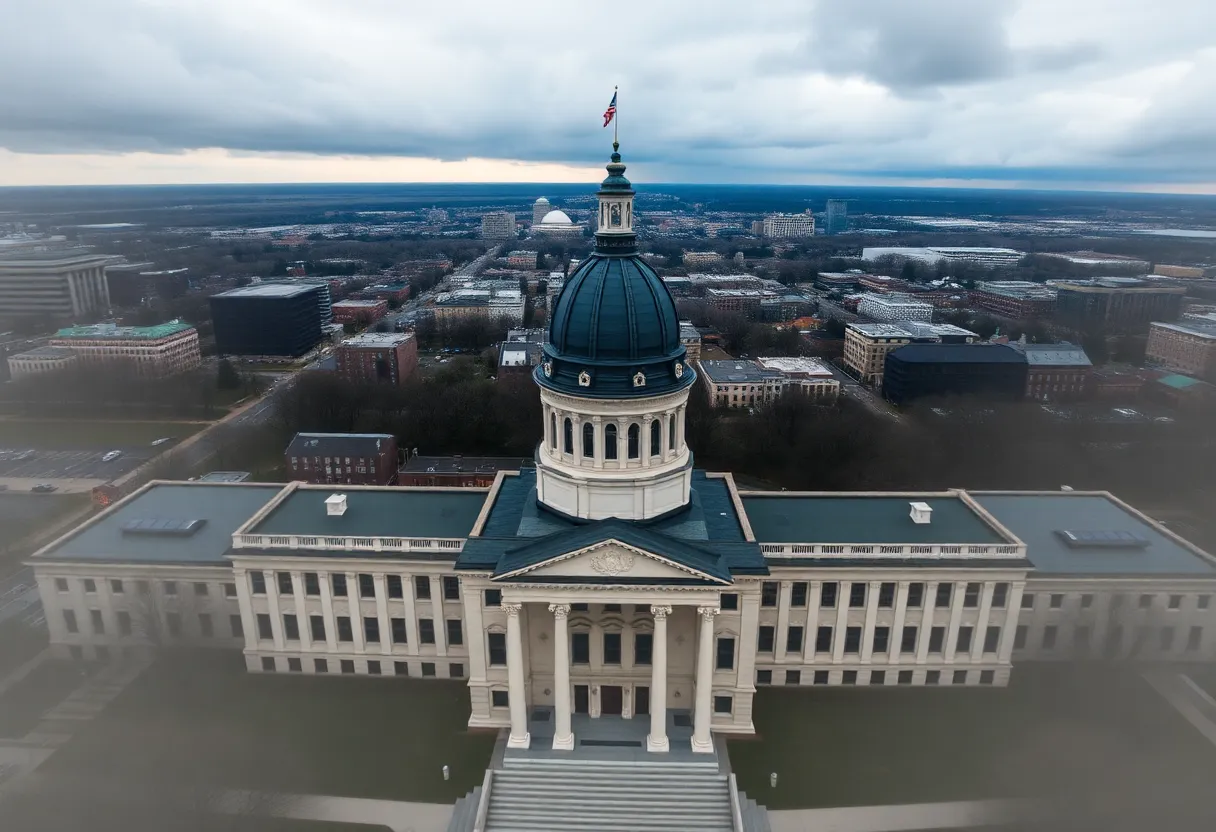
Annapolis, MD, December 8, 2025
Maryland is grappling with a projected $1.4 billion budget deficit for fiscal year 2027, exacerbated by federal economic policies and increased entitlement costs. This financial crisis coincides with serious abuse allegations against the Department of Juvenile Services, revealing systemic issues such as inadequate oversight and financial mismanagement. As state leaders consider revenue increases and budget cuts, the urgency for comprehensive policy reforms becomes critical to ensure fiscal health and the safety of juveniles served by the department.
Maryland Faces $1.4 Billion Budget Deficit Amid Department of Juvenile Services Abuse Cases
ANNAPOLIS, MD — Maryland is confronting a projected $1.4 billion budget deficit for fiscal year 2027, a shortfall attributed to federal economic policies, increased entitlement program costs, and declining revenues. This financial challenge coincides with ongoing abuse cases against the Department of Juvenile Services (DJS), raising concerns about the department’s management and oversight.
Budget Deficit Details
The Department of Legislative Services (DLS) has updated its fiscal projections, revealing a $1.4 billion shortfall for fiscal year 2027. This figure is nearly five times larger than the deficit projected in April. The primary factors contributing to this deficit include:
- Federal Economic Policies: Changes in federal tax laws and trade policies have led to a reduction in state income tax receipts by approximately $371 million. Additionally, the loss of over 15,000 federal jobs in Maryland has decreased personal income tax collections and local withholding.
- Increased Entitlement Program Costs: Programs such as Medicaid and behavioral health services have experienced cost increases totaling $217 million, while education obligations have risen by $175 million due to fund swaps and retirement costs.
- Declining Revenues: Slower revenue growth, higher baseline costs, and statutory transfers to the Rainy Day Fund have significantly altered Maryland’s fiscal trajectory.
These factors have collectively led to a structural deficit, with projections indicating that the shortfall could grow to nearly $4 billion over the next five years. To address this, state leaders may consider increasing revenues, cutting services, or raising taxes. However, tapping into the Rainy Day Fund is a one-time solution that does not resolve the underlying fiscal imbalance.
Department of Juvenile Services Abuse Cases
Simultaneously, the Maryland Department of Juvenile Services is facing multiple abuse cases. A state audit covering April 2020 to December 2023 identified persistent issues within DJS facilities, including:
- Facility Management Problems: The audit found recurring issues without a process to ensure they were addressed.
- Inadequate Background Checks: DJS did not require all contractors to undergo criminal background checks, leading to instances where individuals with prior convictions interacted with children.
- Financial Mismanagement: The audit revealed problems in awarding contracts, paying vendors, and handling overtime, with some employees earning more in overtime than their base salaries.
- Cybersecurity Concerns: While specific findings were redacted, the audit noted issues with DJS’s cybersecurity practices.
In response to these findings, DJS Secretary Vincent Schiraldi acknowledged that many issues predated his tenure and stated that changes have been implemented to address some of these problems. However, the persistence of these issues has led to calls for further reforms and increased oversight within the department.
Background Context
Maryland’s fiscal challenges are compounded by its reliance on federal funding, which has been unpredictable due to policy changes and economic shifts. The state’s budget has also been affected by increased spending on mandated programs, such as the Blueprint for Maryland’s Future, an education reform plan that has led to higher costs without corresponding revenue increases. These factors have created a structural deficit, with spending growth outpacing revenue growth, leading to the current budget shortfall.
Addressing both the budget deficit and the issues within the Department of Juvenile Services will necessitate comprehensive policy solutions, including potential revenue enhancements, spending cuts, and structural reforms to ensure the state’s fiscal health and the safety and well-being of its residents.
Frequently Asked Questions (FAQ)
What is the projected budget deficit for Maryland in fiscal year 2027?
The Department of Legislative Services (DLS) has updated its fiscal projections, revealing a $1.4 billion shortfall for fiscal year 2027. This figure is nearly five times larger than the deficit projected in April.
What are the main factors contributing to Maryland’s budget deficit?
The primary factors contributing to this deficit include federal economic policies, increased entitlement program costs, and declining revenues. Changes in federal tax laws and trade policies have led to a reduction in state income tax receipts by approximately $371 million. Additionally, the loss of over 15,000 federal jobs in Maryland has decreased personal income tax collections and local withholding. Programs such as Medicaid and behavioral health services have experienced cost increases totaling $217 million, while education obligations have risen by $175 million due to fund swaps and retirement costs. Slower revenue growth, higher baseline costs, and statutory transfers to the Rainy Day Fund have significantly altered Maryland’s fiscal trajectory.
What issues were identified in the Department of Juvenile Services audit?
A state audit covering April 2020 to December 2023 identified persistent issues within DJS facilities, including facility management problems, inadequate background checks, financial mismanagement, and cybersecurity concerns. The audit found recurring issues without a process to ensure they were addressed. DJS did not require all contractors to undergo criminal background checks, leading to instances where individuals with prior convictions interacted with children. The audit revealed problems in awarding contracts, paying vendors, and handling overtime, with some employees earning more in overtime than their base salaries. While specific findings were redacted, the audit noted issues with DJS’s cybersecurity practices.
How is the Maryland government responding to the budget deficit and DJS issues?
State leaders may consider increasing revenues, cutting services, or raising taxes to address the budget deficit. However, tapping into the Rainy Day Fund is a one-time solution that does not resolve the underlying fiscal imbalance. In response to the DJS audit findings, Secretary Vincent Schiraldi acknowledged that many issues predated his tenure and stated that changes have been implemented to address some of these problems. However, the persistence of these issues has led to calls for further reforms and increased oversight within the department.
Key Features of Maryland’s Fiscal and DJS Challenges
| Issue | Details |
|---|---|
| Projected Budget Deficit | $1.4 billion shortfall for fiscal year 2027, nearly five times larger than the deficit projected in April. |
| Contributing Factors to Deficit | Federal economic policies, increased entitlement program costs, and declining revenues. |
| Department of Juvenile Services Audit Findings | Facility management problems, inadequate background checks, financial mismanagement, and cybersecurity concerns. |
| State’s Response to Budget Deficit | Consideration of increasing revenues, cutting services, or raising taxes; potential use of the Rainy Day Fund as a one-time solution. |
| State’s Response to DJS Issues | Implementation of changes by Secretary Vincent Schiraldi; calls for further reforms and increased oversight within the department. |
Deeper Dive: News & Info About This Topic
HERE Resources
Montgomery County Faces Significant Challenges Amid Developments
Leadership Reshuffle in Baltimore’s Administration
Maryland Business Developments: Hiring Surges and Tax Concerns
Baltimore Ravens Face Detroit Lions in Monday Night Showdown
Baltimore Ends 2025 Budget Year with Smaller Deficit
Baltimore Welcomes New Shareholder to Shulman Rogers
Baltimore County Council Calls for Inspector General Oversight of School Budget